
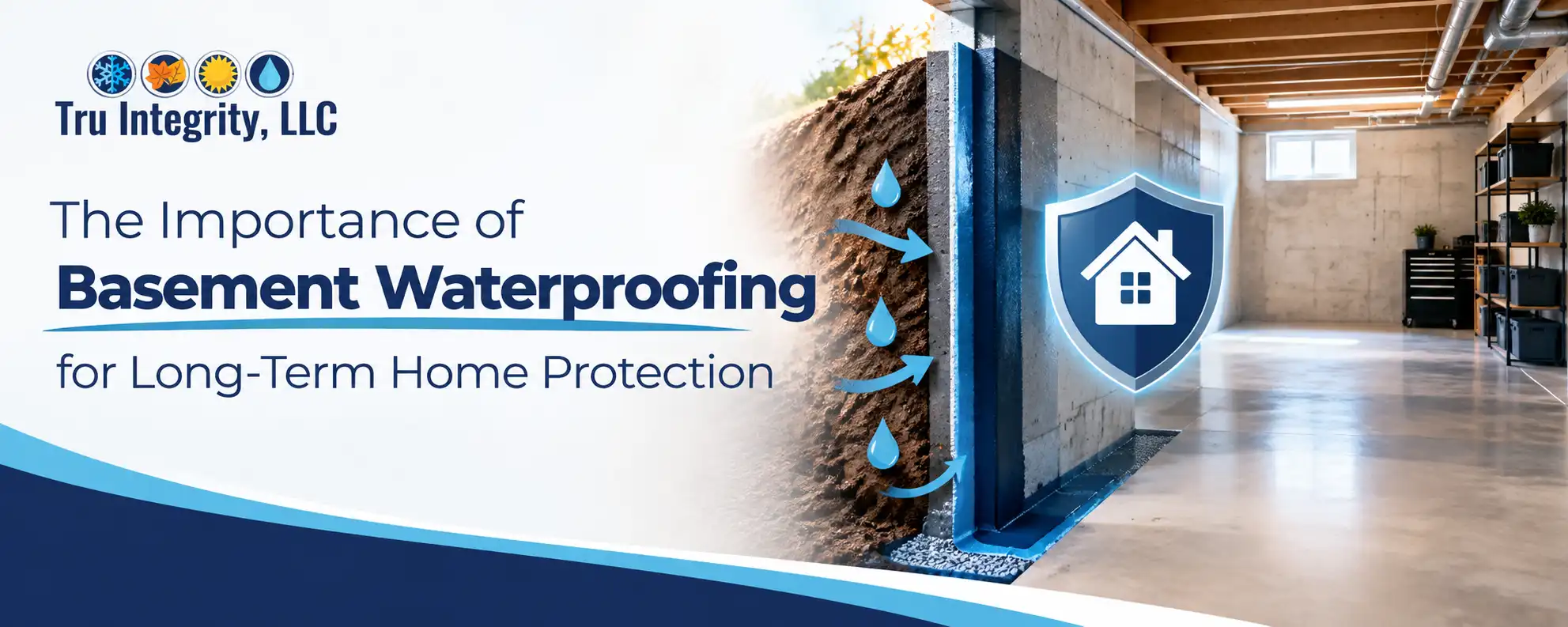
A dry basement protects your home from moisture, mold, structural damage, and costly repairs. Understanding the importance of basement waterproofing can help homeowners address water problems early and protect their property for years.
The goal is simple: identify where water is entering, correct the source, and create reliable protection against future moisture problems.
Key Takeaways:
- Basement moisture should be addressed before it becomes a larger repair problem.
- Foundation cracks and drainage issues can allow water to enter.
- Gutters and downspouts should direct water away from the foundation.
- Sump pumps should be tested and maintained regularly.
- Professional inspections can identify the source of recurring moisture.
- Waterproofing should address the cause rather than only the visible water.
- Good moisture control supports long-term basement waterproofing and home protection.
Understand Why Basement Moisture Needs Attention
Basement water can spread beyond one small area. Even minor leaks may damage walls, floors, and belongings over time.
Common problem: Moisture may enter through foundation cracks, windows, wall joints, floor cracks, or foundation-floor joints.
Poor drainage can push water toward the foundation. Some issues appear after heavy rain, while others continue because of groundwater pressure.
What to do: Find the source before choosing a repair method. Waterproofing the basement can address common entry points and improve water management around and beneath the home.
Find the Source Before Choosing a Repair
Every basement water problem has a cause. A professional inspection can help determine whether the issue comes from surface water, groundwater, foundation cracks, plumbing problems, or drainage failure.
Inspection checklist:
Look for signs such as:
- Damp or discolored walls
- Standing water after storms
- Cracks in basement walls or floors
- Musty odors
- Peeling paint or damaged finishes
- Mold or mildew growth
- Water stains around windows
- Repeated sump pump activity
Homeowners often ask how to fix water coming through the basement floor when they notice puddles or damp spots. The right solution depends on why the water is appearing.
Interior drainage, sump pump systems, crack repairs, exterior drainage improvements, or other waterproofing measures may be needed.
Trying to cover the affected area without fixing the source may only provide temporary relief.
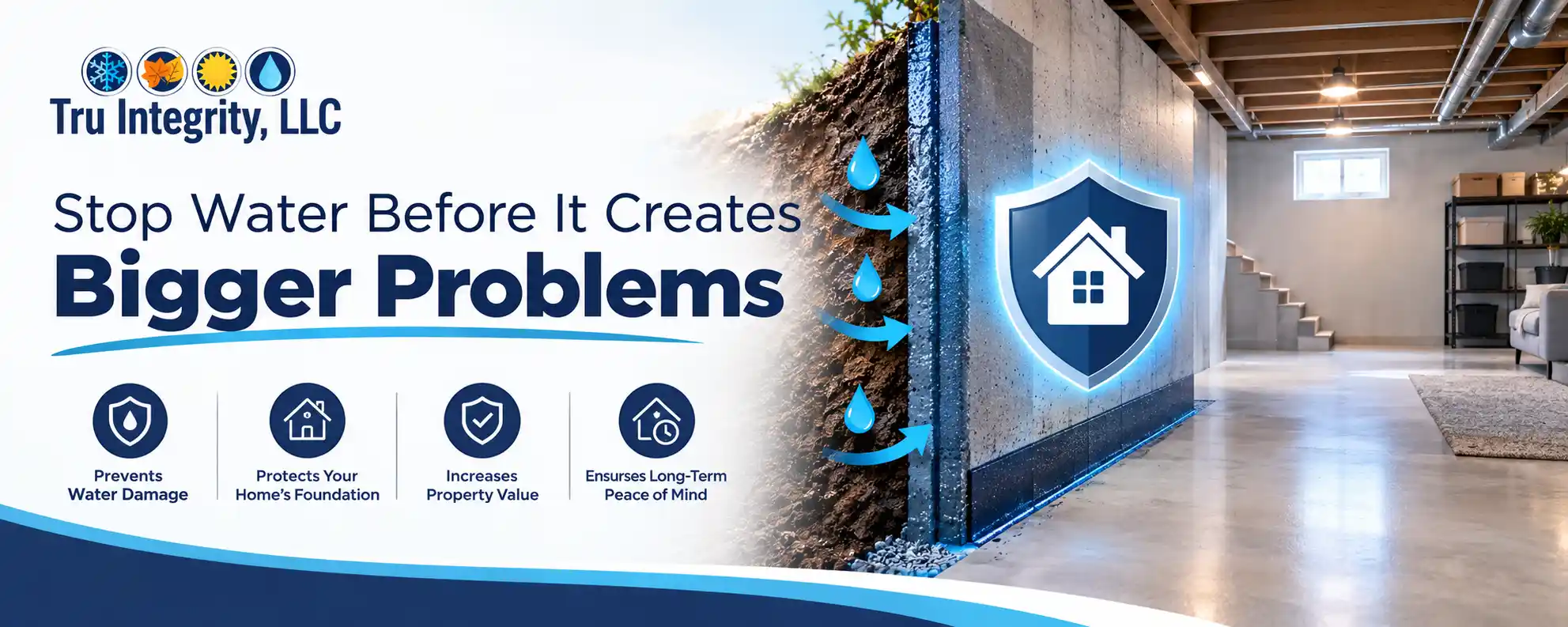
Stop Water Before It Creates Bigger Problems
Start Outside
Preventing water from reaching the foundation is one of the most practical ways to protect a basement. Gutters and downspouts should move rainwater away from the house instead of allowing it to collect near foundation walls.
The ground around the home should also slope away from the foundation. This helps prevent surface water from pooling against basement walls.
Quick maintenance: Clean gutters, inspect downspouts, and check for areas where water collects after rainfall.
Regular maintenance matters, too. Clean gutters, inspect downspouts, and check for areas where water collects after rainfall.
Inside the basement, make sure the sump pump works properly. A backup system can provide additional protection during heavy storms or power outages.
These steps can support a larger waterproofing plan and reduce the pressure placed on the foundation.
Protect the Foundation From Long-Term Moisture
Constant moisture can affect more than the appearance of a basement. Water can move through small cracks and weak points in foundation materials. Repeated exposure may contribute to deterioration over time.
Watch for: Growing cracks, recurring leaks, or new areas of water entry.
Foundation cracks should not be ignored, especially when they continue to grow or allow water inside. Some cracks are minor, while others may indicate movement or drainage-related pressure.
A professional can assess the condition and recommend appropriate repairs. Depending on the situation, this may involve sealing cracks, improving drainage, installing a drainage system, or addressing exterior water pressure.
The importance of basement waterproofing becomes clearer when moisture is viewed as an ongoing risk rather than a one-time inconvenience.
Improve Indoor Comfort and Air Quality
A damp basement can make the entire home feel less comfortable. Moisture may increase humidity and create conditions where mold and mildew can grow.
Signs to notice: Musty odors, damp materials, visible moisture, and recurring condensation.
Musty odors are often one of the first signs homeowners notice. Wet materials can also become damaged if moisture remains for long periods.
Keeping the basement dry helps create a cleaner and more comfortable environment. It can also protect flooring, drywall, insulation, furniture, and other belongings stored downstairs.
Homeowners should respond quickly when they notice persistent dampness. Drying the area is useful, but identifying and correcting the source is more important for lasting results.
Understand the Financial Value of Prevention
Water damage can become expensive when it is allowed to continue. Repairs may involve flooring, drywall, insulation, foundation components, electrical systems, personal belongings, and other parts of the home.
Prevention Pays Off
Preventive work can reduce the chance of facing extensive repairs later. This is one of the key basement waterproofing benefits for homeowners who want to maintain their property over the long term.
A protected basement may also make the property more appealing to future buyers. Buyers often look closely at signs of moisture, water damage, odors, and foundation concerns.
Keeping records of inspections, repairs, and maintenance can also help demonstrate that the basement has received proper care.
Choose the Right Waterproofing Approach
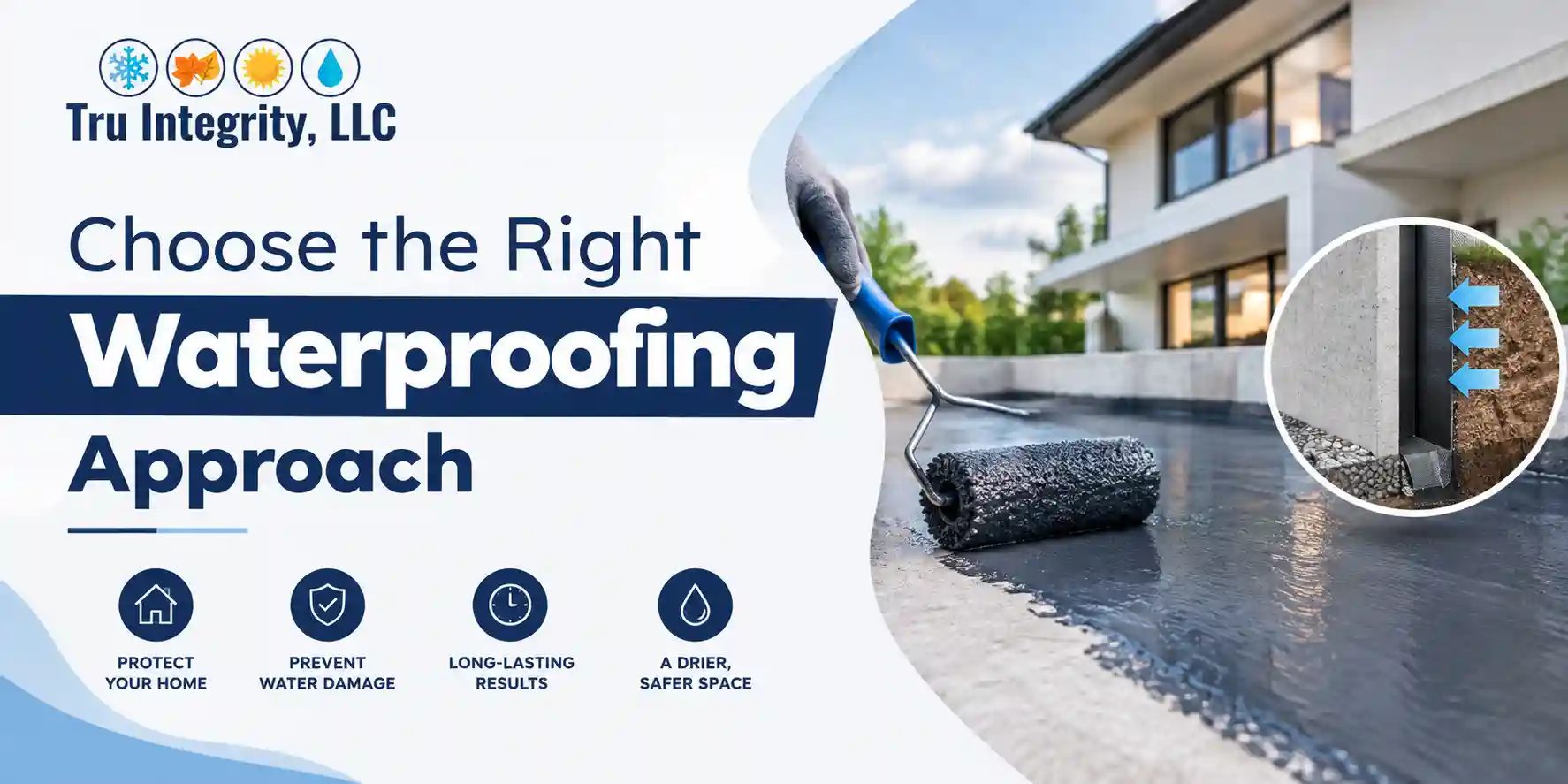
There is no single waterproofing solution for every basement. The best approach depends on the source of the water, foundation condition, soil, drainage, and layout of the property.
| Problem | Possible approach |
| Surface water | Improve grading and downspouts |
| Groundwater | Consider interior drainage or a sump system |
| Foundation cracks | Assess and repair the affected area |
| Window well water | Improve window well drainage |
Common solutions may include:
- Exterior drainage improvements
- Interior drainage systems
- Sump pump installation or replacement
- Foundation crack repair
- Window well drainage
- Gutter and downspout improvements
- Grading corrections
- Sealants and moisture barriers
Some homes need one solution, while others require several measures working together.
A professional assessment can help prevent unnecessary work. Instead of treating only the visible water, the goal should be to understand the complete moisture problem and address it properly.
Know When Professional Help Is Needed
Not every damp spot means the foundation is failing. However, recurring water should always receive attention.
Call for an inspection if:
Consider scheduling a professional inspection when:
- Water returns after heavy rain.
- Basement walls remain damp.
- Foundation cracks are becoming larger.
- Standing water appears on the floor.
- A sump pump cannot keep up.
- Drainage changes have not solved the problem.
- Mold or persistent musty odors are present.
Professionals can identify moisture entry points and determine which repairs make sense for the property.
Tru Integrity can help homeowners evaluate basement moisture concerns and identify practical waterproofing solutions based on the condition of the property.
Take Practical Steps to Protect Your Basement
Homeowners do not have to wait for major flooding before taking action. Regular inspections and simple maintenance can help catch problems early.
A Simple Action Plan
Start by checking gutters and downspouts. Look around the foundation after rainfall and note where water collects. Inspect visible cracks and watch for changes over time.
If water is already entering the basement, avoid relying on paint or surface sealers alone. Ask a professional to determine the source before choosing a repair.
Knowing how to fix water coming through the basement floor starts with understanding whether groundwater pressure, cracks, drainage, or another issue is responsible.
The benefits of basement waterproofing are strongest when prevention, drainage, repairs, and regular maintenance work together.
Protect Your Home Before Moisture Becomes a Bigger Problem
A dry basement supports a healthier, more durable, and better-protected home. From managing drainage to repairing foundation cracks, the right steps can reduce recurring moisture and protect valuable parts of the property.
Tru Integrity can help homeowners understand their options and address basement water concerns with practical solutions. Recognizing the importance of basement waterproofing early can make it easier to protect your home and avoid unnecessary damage over the years.
Frequently Asked Questions:
1. Why is basement waterproofing important?
Basement waterproofing helps reduce unwanted moisture and protect the foundation, interior finishes, belongings, and overall condition of the home.
2. Can basement water damage the foundation?
Persistent water exposure can contribute to foundation deterioration and may worsen existing cracks. The level of risk depends on the source and severity of the moisture.
3. What causes water to come through a basement floor?
Common causes include groundwater pressure, drainage problems, foundation cracks, and water collecting beneath the home. A professional inspection can help identify the specific cause.
4. How often should a basement be inspected for water problems?
A basement should be checked regularly, especially before and after periods of heavy rainfall. Annual professional inspections can also help identify developing concerns.
5. Is basement waterproofing only needed after flooding?
No. Waterproofing can be preventive as well as corrective. Addressing moisture concerns before major flooding may help reduce the risk of extensive damage.