
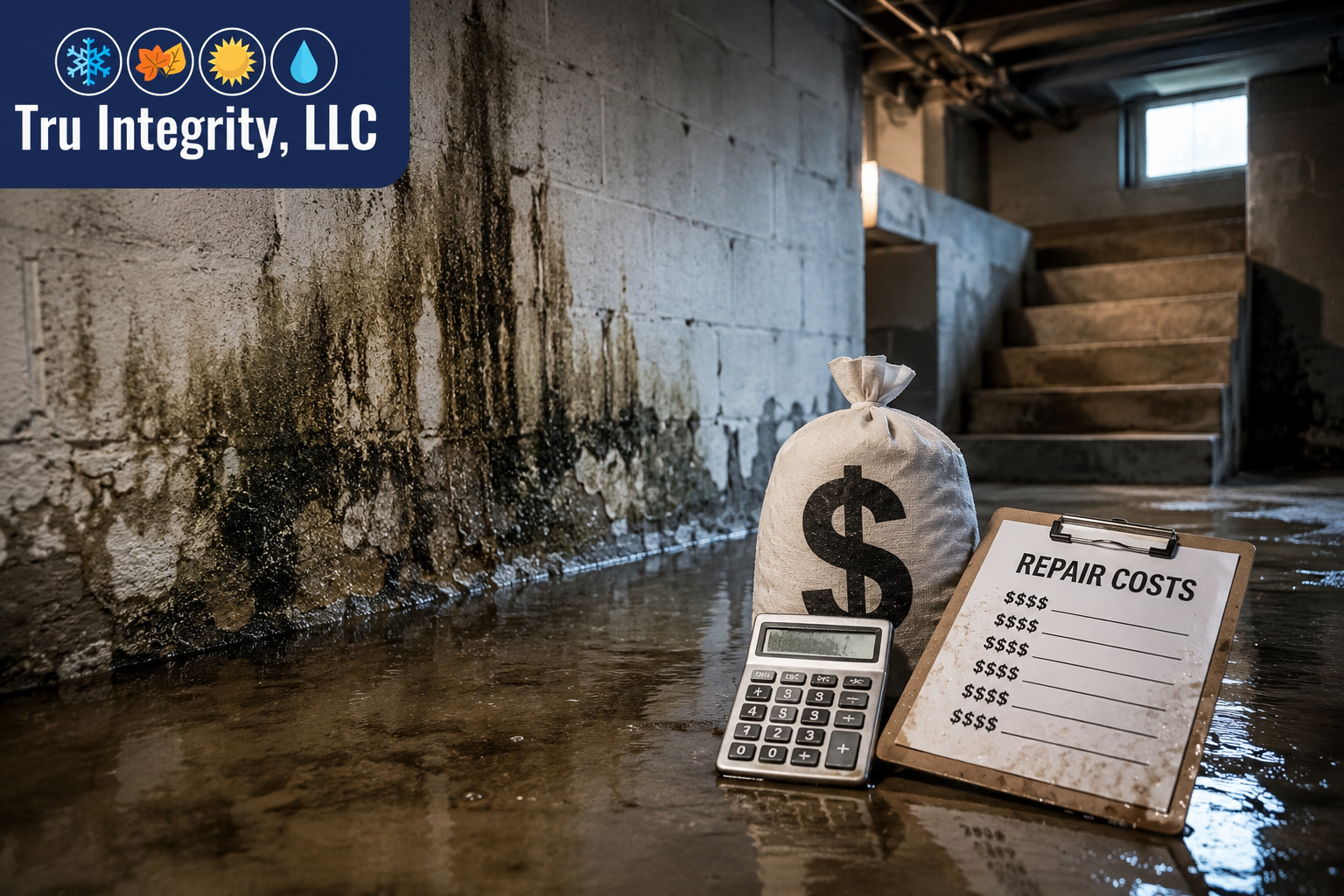
At first, a wet basement doesn’t appear to be a pressing problem. Many homeowners will ignore small water stains, occasional moisture, or musty odors because these issues do not immediately affect day-to-day life. However, if moisture problems persist, they may eventually affect different parts of a home.
According to the U.S. Environmental Protection Agency (EPA), controlling moisture is the most effective way to prevent mold growth inside buildings.
Homeowners can make educated decisions before small problems become large repair projects if they understand the risks of not addressing basement moisture.
Homeowners should look into basement dampness early rather than waiting until damage is more widespread, says Tru Integrity LLC. The first step in protecting your foundation and living space is to locate the source of water intrusion, most of the time.
Key Takeaways
- Basement moisture should be investigated before it becomes a larger problem.
- Water intrusion can gradually affect building materials and foundation conditions.
- Small cracks may allow additional moisture to enter over time.
- Early repairs may help reduce the need for larger restoration projects.
- Professional inspections help identify the source of basement moisture.
Why shouldn’t a damp basement be ignored?
Many homeowners believe that the occasional moisture is just a part of owning an older home. Persistent moisture is worth investigating, though not every wet spot signals a major structural issue.
A wet basement can be the result of drainage problems, cracks in your foundation, groundwater pressure, or other conditions that let water into the home. You have to figure out the source. Different causes require different solutions.
When the damage is widespread, you often have fewer options than if you had taken action early.
Moisture can slowly damage building materials
Materials found throughout a basement can be affected by long-term exposure to water.
Moisture does not always cause immediate injury. Deterioration, on the other hand, may be gradual, and routine inspections can be useful in detecting change over time.
Potential areas of concern include:
- Drywall
- Wood framing
- Flooring materials
- Thermal Insulation
- Stored belongings
Foundation issues may become more noticeable
While basement moisture isn’t always an indication of structural damage, water around the foundation can lead to changes in soil conditions and more pressure against the foundation walls.
Depending on the condition of the property and what caused the problem, professional foundation repair may be recommended if structural concerns develop.
Because every home is different, a complete inspection is usually the best way to know if there has been foundation movement.
Small cracks may become larger over time
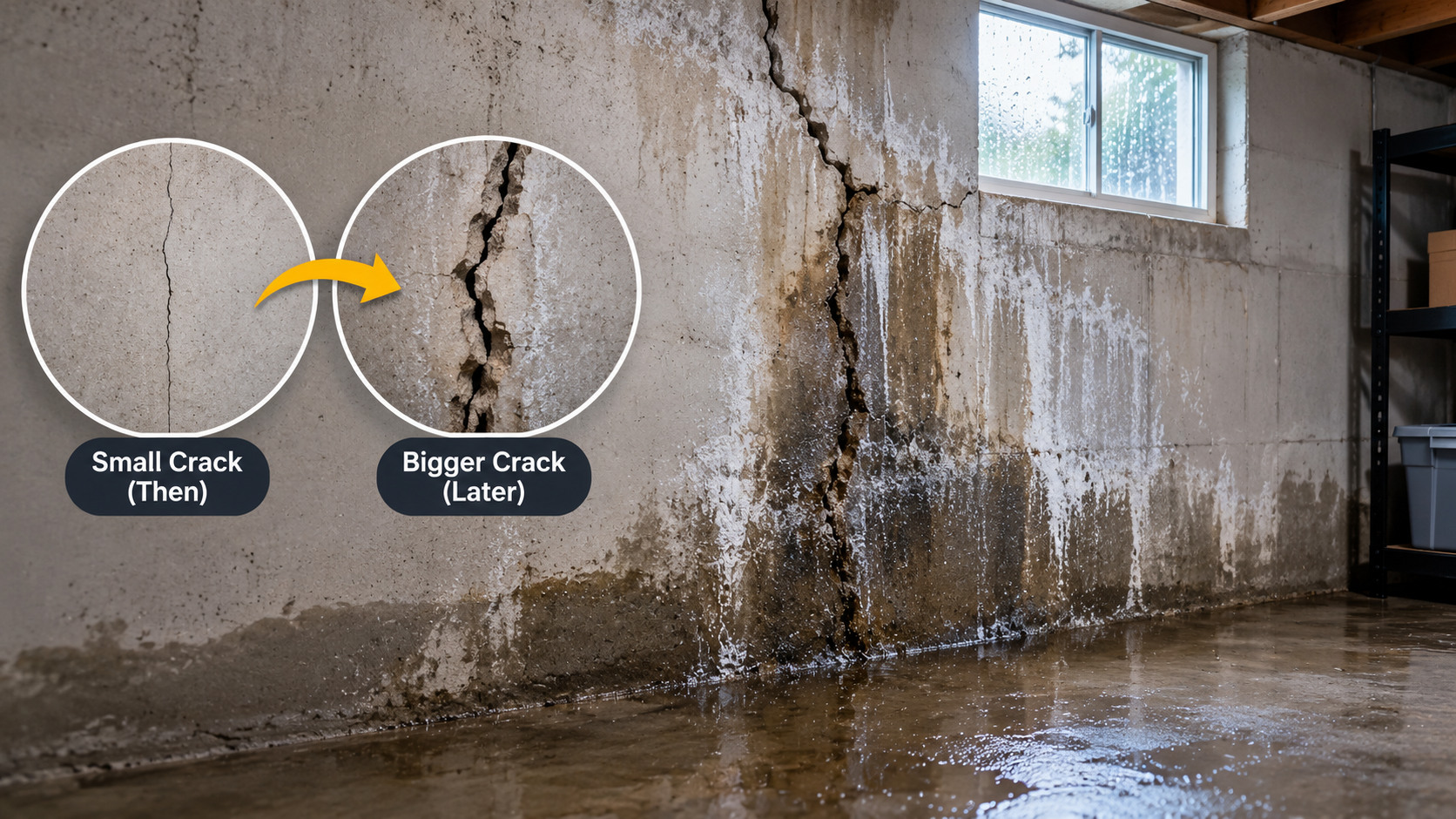
Cracks sometimes begin as small openings that appear harmless.
However, if moisture continues to enter through these areas, then homeowners may notice:
- Wider cracks
- Water seepage
- Efflorescence
- Damp walls
- Increased moisture after rainfall
Basement crack repair can help with identified entry points and ongoing water intrusion when conditions warrant.
Tracking the size and appearance of the cracks can help identify whether or not changes are occurring.
Mold and indoor air quality concerns
Left unchecked, moisture can create conditions for persistent moisture and mold growth.
The EPA recommends that the first step in controlling mold growth is to control moisture indoors.
Homeowners who smell mustiness or see mold should consider finding and correcting the source of moisture rather than just treating surface symptoms.
Keeping the basement dry helps create healthier indoor air quality throughout the home.
Repair costs may increase over time
One of the advantages of solving moisture problems early is that the delay can cause more problems.
For example, over time water intrusion could affect:
- Interior finishes
- Foundation walls
- Flooring
- Stored personal items
- Drainage systems
The eventual basement waterproofing cost depends on the home’s specific conditions and the work required after inspection. Taking care of problems early may help avoid larger repairs later, but that’s not always true.
Why fixing the source matters more than the symptoms
Painting over stains or cleaning visible moisture doesn’t always fix the underlying issue.
Long-term fixes typically begin with determining where and why water is leaking in. An appropriate wet basement repair approach is not about one fix for every home but about the specific conditions on the property.
Recommendations will depend on inspection findings and may include:
- Drainage improvements
- Crack repairs
- Waterproofing measures
- Moisture management solutions
- Foundation assessments
Prevention is usually easier than major restoration
Regular maintenance can help eliminate the chance of moisture problems persisting. Basic maintenance can be the difference between a major repair project and an easy fix.
Homeowners can:
- Inspect gutters regularly.
- Keep downspouts directing water away from the home.
- Watch for new foundation cracks.
- Monitor basement humidity.
- Schedule inspections if recurring moisture appears.
Protect Your Home Before Moisture Causes Bigger Problems
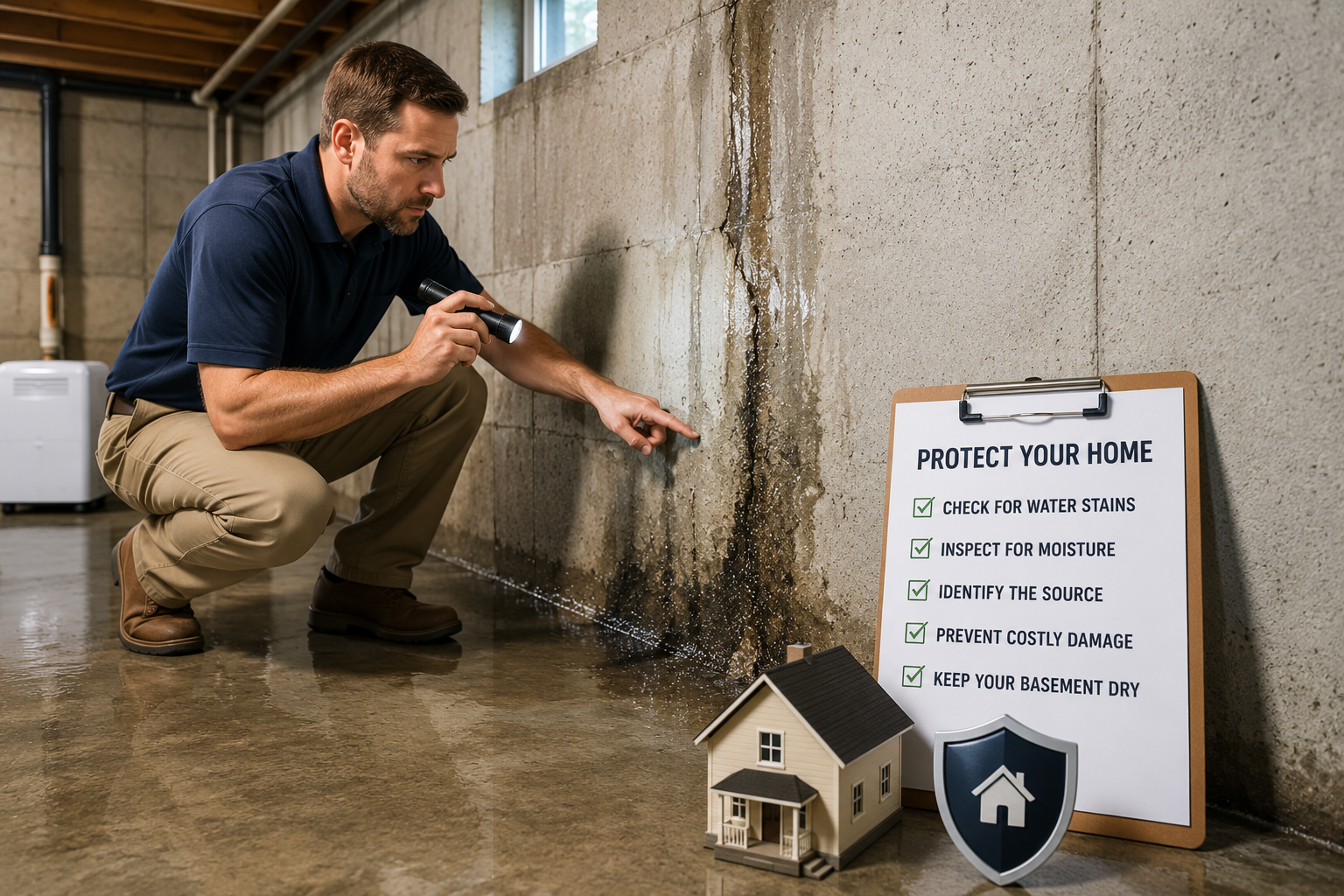
If you have had any moisture problems, water stains, musty odors, or signs of water intrusion, now is a good time to have your basement checked. Identifying the source of the problem is essential for maintaining your home’s long term condition.
Tru Integrity LLC helps homeowners pinpoint basement moisture problems and recommends solutions based on the needs of each property. Contact our team today to find out more about protecting your basement and foundation from future water problems.
Frequently Asked Questions
Q1. What causes a wet basement?
Ans: A wet basement can result from drainage issues, groundwater pressure, foundation cracks, or other conditions that allow moisture to enter the home.
Q2. Can a damp basement damage my home’s foundation?
Ans: Persistent moisture may contribute to conditions that affect foundation performance, making professional evaluation beneficial when concerns arise.
Q3. Is basement waterproofing always necessary?
Ans: Not every basement requires waterproofing. The appropriate solution depends on the source of the moisture identified during an inspection.
Q4. How do I know if basement cracks need repair?
Ans: Cracks that grow, allow water intrusion, or are accompanied by other signs of movement should be professionally evaluated.
Q5. How can I help keep my basement dry?
Ans: Maintaining gutters, improving drainage, monitoring humidity, and addressing moisture concerns early can all help support efforts to waterproof basement areas and reduce future water intrusion.