
When homeowners discover moisture, damp walls, or water seepage in their basement, they usually want to know how much it will cost to resolve the problem. Unfortunately, many factors affect the answer, from the water source and foundation condition to the type of waterproofing system used.
According to the U.S. Environmental Protection Agency (EPA), moisture control is one of the most important steps in preventing mold growth inside homes.
Tru Integrity LLC recognizes that properties differ from one another. Some residences might only require minor precautionary arrangements, whereas some others might need major interventions to solve water intrusions and structural problems. That’s why prices for waterproofing have a broad range due to these factors alone.
Understanding the factors that affect pricing can help homeowners make informed decisions and avoid unexpected expenses later.
Key Takeaways
- Basement waterproofing costs vary based on the condition of the home and the source of water intrusion.
- Foundation cracks can increase repair requirements and affect project pricing.
- Drainage improvements are often an important part of a waterproofing solution.
- Some homes may require a sump pump to manage groundwater effectively.
- A professional inspection helps determine the most appropriate and cost-effective repair plan.
What actually affects the price of waterproofing a basement?
There is no standard price for waterproofing because every basement is different. Contractors typically consider several factors before providing an estimate.
Some of the most common factors include:
- Size of the basement
- Severity of water intrusion
- Existing drainage conditions
- Foundation condition
- Interior or exterior repair requirements
- Accessibility of the affected areas
- Materials and systems needed
A small moisture problem may only need a small amount of work, while repeated water problems often require a more thorough approach.
The overall basement waterproofing cost in Maryland is usually determined after a professional inspection identifies the source of the problem.
Are all waterproofing solutions priced the same?
Not necessarily.
Various waterproofing methods require different levels of labor, materials, and project complexity. For instance, some homes may benefit from interior drainage improvements, while others may require exterior waterproofing measures.
Professional basement waterproofing in Maryland services normally first find the suitable solution instead of fixing every home with the same repair method.
They aim for a long term moisture management strategy that suits the specific property conditions.
What if foundation cracks are contributing to water intrusion?
Water is usually able to find its way in through cracks that emerge because of soil shifting, settling, or simply the aging of the construction materials.
If there are cracks, they should be repaired first so the waterproofing methods can provide the best protection.
It is a very common practice for professionals to recommend foundation crack repair in Maryland after the inspection reveals not only the cracks but also traces of water ingress or structural problems.
The degree of the repair can be a deciding factor in the overall cost of the project, especially when there are several areas that need to be fixed.
Can drainage systems affect project costs?
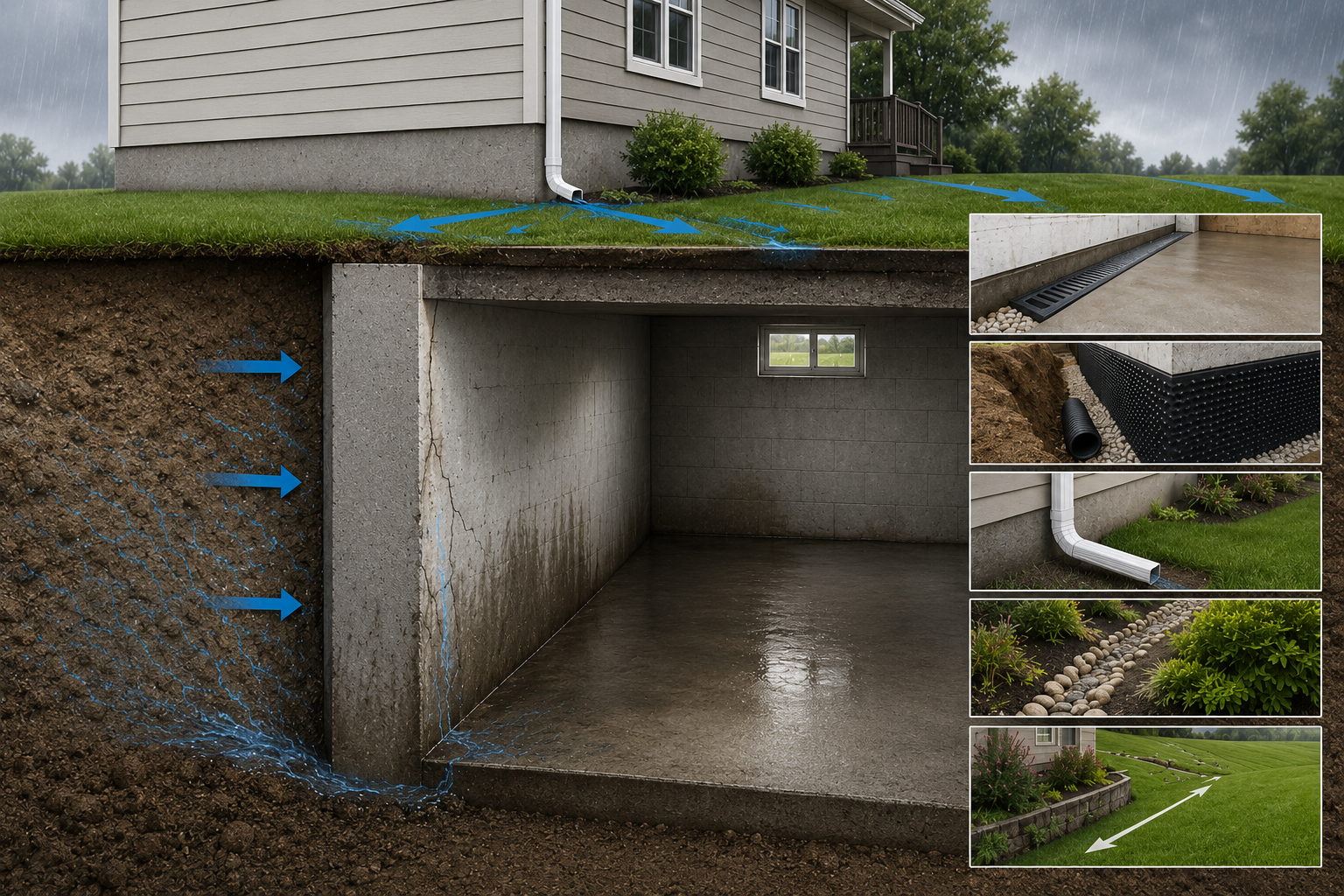
Yes. Many basement water problems are, in fact, one of the consequences of the way water moves around and under the house. Inefficient drainage increases the hydrostatic pressure on the foundation walls, which can cause leaks and moisture problems.
The complexity of the drainage work often has a significant impact on the determination of project costs.
In some cases, drainage improvements may be considered as a part of waterproofing a house, subject to the site conditions.
These solutions can include:
- Interior drainage channels
- Exterior drainage corrections
- Downspout extensions
- Water diversion systems
- Grading adjustments
When does a sump pump become part of the solution?
In some cases, groundwater surrounds or floods the house, and in those cases, a pump is needed to remove the water.
In these situations, Sump pump installation may be recommended as part of a complete waterproofing system. A sump pump helps collect and remove excess water before it can accumulate inside the basement.
The factors affecting the installation are the layout of the basement, the drainage system, and the general water management plan. Since the features of each property vary, the first step in determining whether a sump pump is the right solution is usually a professional evaluation of the premises.
Why are inspections important before discussing costs?
The major error that most homeowners commit is trying to guess the cost simply based on the symptoms without actually determining the real cause of the problem.
A basement might give the same appearance of a problem while its real issues are entirely different ones.
For example:
- Condensation can look like a leak.
- Drainage problems can resemble foundation seepage.
- Surface water issues may appear similar to groundwater intrusion.
This is the reason why experienced builders usually start with a thorough examination before providing any repair suggestions.
At Tru Integrity LLC, we conduct inspections to identify the source of moisture, which helps homeowners better understand the work that may be required.
How can homeowners avoid paying for unnecessary repairs?
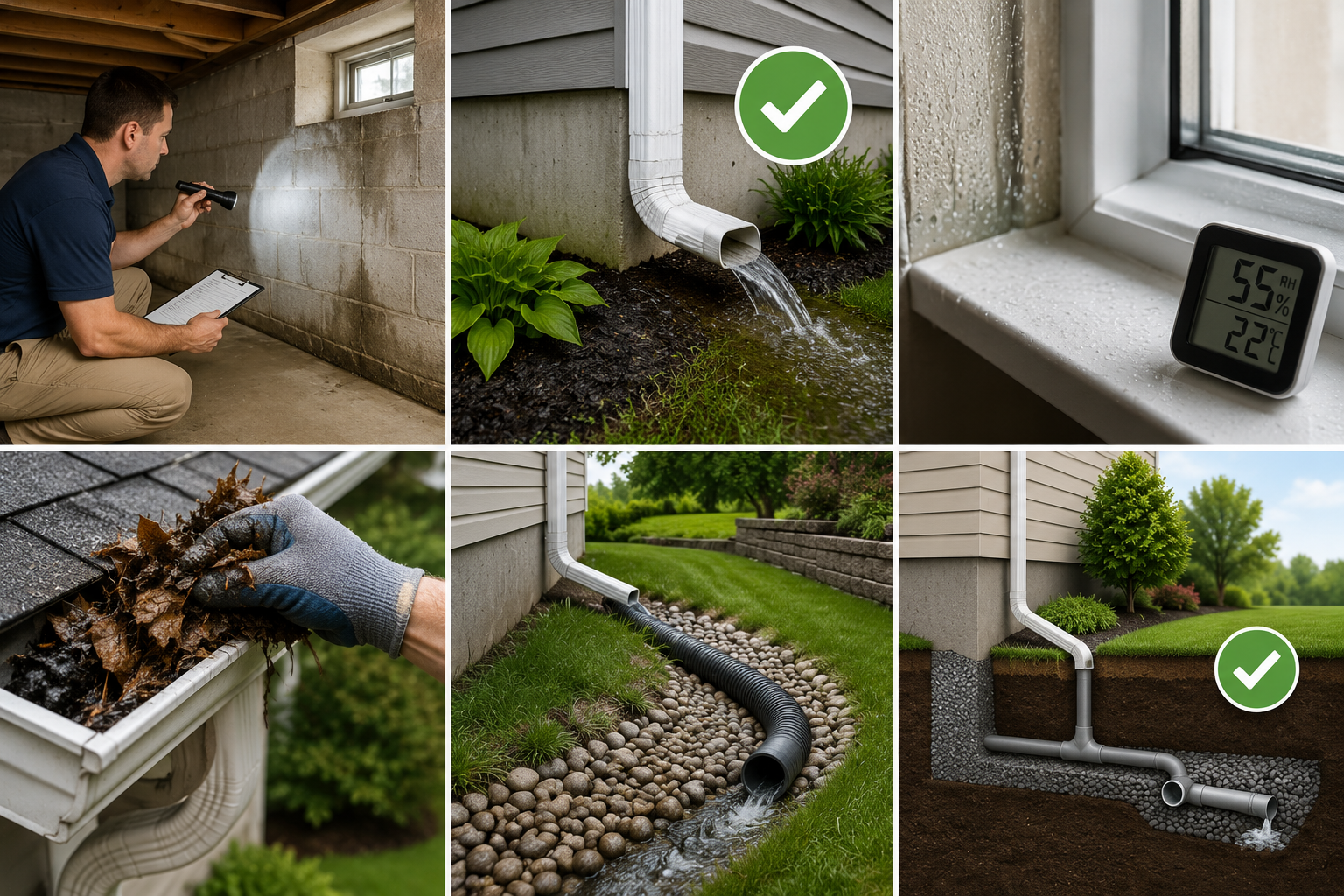
The most effective method is to address the main issue instead of fixing it temporarily, and then it will come up again.
Homeowners should consider:
- Scheduling a professional inspection
- Addressing issues early
- Monitoring signs of moisture regularly
- Maintaining gutters and downspouts
- Keeping drainage systems functioning properly
Sometimes doing maintenance work before a problem arises can help reduce the chances of bigger problems that may require major repairs later.
If you catch issues beforehand, repair works are usually less complicated and easier to deal with than delaying them until the water damage has become widespread.
Understanding the long term value of waterproofing
Water intrusion can affect more than just the basement floor If left to stand, moisture can create conditions that lead to mold, unpleasant odors, property damage, and possible structural problems.
A professional waterproofing solution can help:
- Protect the home’s foundation
- Improve basement usability
- Reduce moisture-related issues
- Support healthier indoor conditions
- Provide greater peace of mind
Many homeowners see waterproofing as a long-term investment in protecting their property, not just a repair cost.
The exact basement waterproofing cost in Maryland will depend on the property’s specific needs, but understanding the contributing factors can help homeowners prepare for the process.
Get Professional Guidance for Your Basement Waterproofing Needs
No two basements are the same, which is why accurate pricing starts with a professional evaluation. Whether you’re dealing with occasional dampness, cracks in your foundation, or recurring water intrusion, identifying the source of the problem is essential to finding the right solution.
At Tru Integrity LLC, our team assists homeowners in evaluating basement moisture issues and choosing the most effective waterproofing solution for their property. Contact us today to set up your inspection and learn more about how to protect your home from water-related issues in the future.
Frequently Asked Questions
Q1. What determines the Basement Waterproofing Cost in Maryland?
Ans: The price will depend on the size of the basement, the severity of the water intrusion, the condition of the foundation, the drainage requirements, and the waterproofing methods recommended after inspection.
Q2. How do I know if my basement needs waterproofing?
Ans: Look for damp walls, water stains, musty smells, visible moisture, mold growth, and frequent basement leaks.
Q3. Can foundation cracks cause basement water problems?
Ans: Yes. Cracks can let water into the basement and might need to be professionally repaired before waterproofing measures are taken.
Q4.Is a sump pump necessary for every basement?
Ans: No. A sump pump is generally only recommended if the presence of ground water or drainage conditions make active water removal advantageous.
Q5. How often should a basement be inspected for moisture issues?
Ans: Homeowners should monitor their basements closely and consider professional inspections whenever they notice signs of moisture, leaks, or foundation problems.