
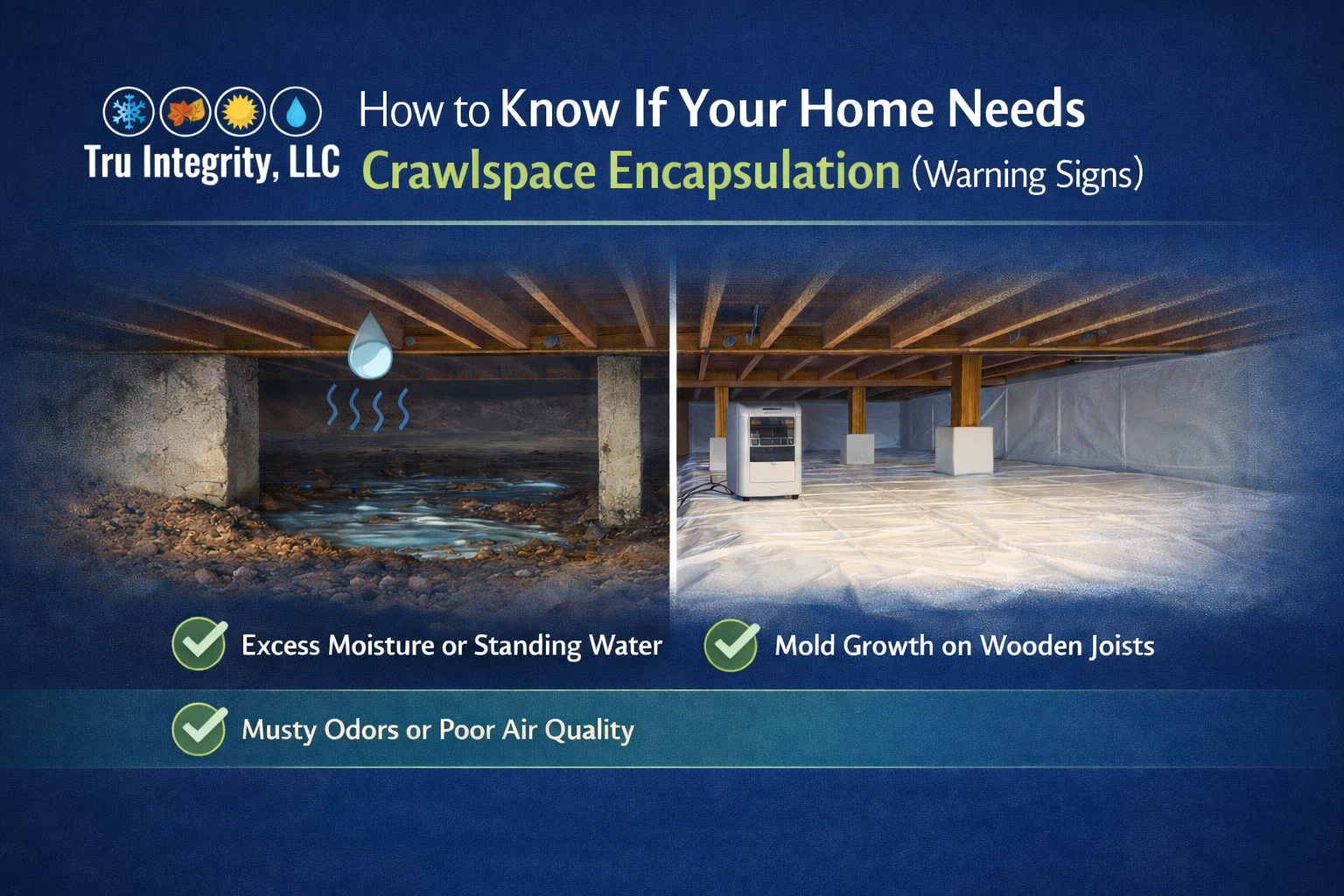
Even though crawlspaces are often out of sight, they are crucial to the overall health of your home. When moisture starts to build up in this area, it can slowly change the quality of the air, the structure, and even the energy efficiency. Many homeowners may not realize there is a problem until it is more obvious because these changes don’t always happen right away.
Understanding when crawlspace encapsulation may be necessary can help you take timely action and avoid more extensive concerns later. This process is typically designed to help control moisture and create a more stable environment beneath your home.
Did you know? According to the United States Environmental Protection Agency, moisture control is a key factor in preventing mold growth and maintaining indoor air quality in residential spaces.
Tru Integrity LLC looks at crawlspace problems with an eye toward locating moisture related issues and suggesting the best sealing and protection methods based on the state of the home.
Key Takeaways
- Musty odors may indicate moisture problems in the crawlspace.
- Visible dampness or condensation is a clear warning sign.
- Crawlspace conditions can affect indoor air and comfort.
- Early action helps prevent structural damage.
- Professional inspection ensures the right solution.
What Exactly Happens in a Damp Crawlspace?
Moisture exposure in a crawlspace can gradually create conditions that impact other areas of the home. Water vapor from the ground, poor ventilation, or drainage issues may all contribute to increased humidity levels.
Over time, this environment can lead to:
- Damp insulation
- Wood deterioration
- Musty odors entering living spaces
- Increased humidity indoors
These conditions often develop slowly, which is why regular inspection and awareness are important.
Are You Noticing Musty Smells Indoors?
One of the earliest indicators of crawlspace encapsulation moisture is a persistent musty odor inside the home. This smell may travel upward through the flooring system and become noticeable in living areas.
Indoor air can carry these odors, even if you don’t frequently access the crawlspace, indicating the presence of moisture below. Such an odor is often considered one of the common signs you need crawlspace encapsulation, especially when the smell does not go away with regular cleaning or ventilation.
Is There Visible Moisture or Condensation?
If you inspect your crawlspace and notice damp surfaces, standing water, or condensation on pipes and walls, it may indicate a moisture imbalance.
These conditions can develop due to:
- Ground moisture rising into the crawlspace
- Poor drainage around the home
- Humid air entering through vents
Such issues are often associated with Crawl Space Waterproofing Problems, which may require a combination of sealing and moisture control measures to manage effectively.
Are Floors Above the Crawlspace Feeling Uneven or Cold?
Sometimes, changes in the crawlspace can change the floors above it. People who own homes may notice that their floors feel cold, damp, or a little uneven.
This can happen when moisture penetrates to the structural parts of the house, like wooden beams or the subfloor. These changes may not always be serious, but they could mean that the crawlspace is no longer stable.
Fixing the source of the moisture may help make the inside of the house more stable.
Do You See Mold or Wood Deterioration?
Too much moisture can make it possible for mold to grow on wood or insulation. Wood may also show signs of softening or breaking down in some cases.
You might not be able to see these problems right away unless you look directly at the crawlspace. But if you don’t take care of them, they can slowly weaken the structure of the house.
Taking early action to prevent crawl space water damage may help reduce the risk of long-term structural concerns.
Is Humidity Affecting Your Indoor Comfort?
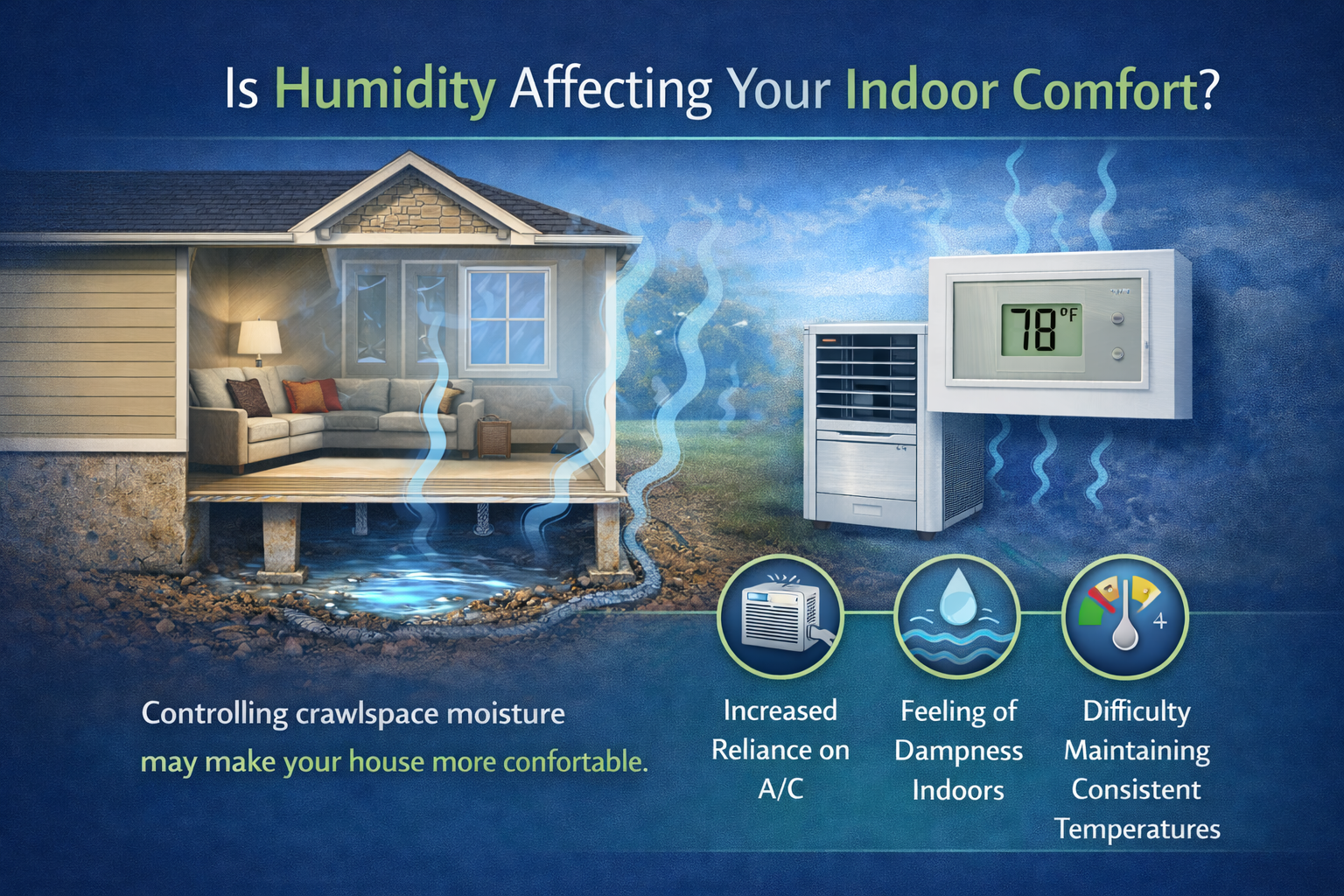
Occasionally, the conditions in the crawlspace can be linked to high humidity levels inside the house. Moist air from below may rise into living areas, making them less comfortable and possibly using more energy.
Homeowners may notice:
- Increased reliance on air conditioning
- A feeling of dampness indoors
- Difficulty maintaining consistent temperatures
Controlling the moisture in the crawlspace may help make the inside of the house more comfortable.
At this stage, Tru Integrity LLC may evaluate both moisture levels and structural conditions to recommend solutions that align with the specific needs of the property.
How Does Crawlspace Encapsulation Help?
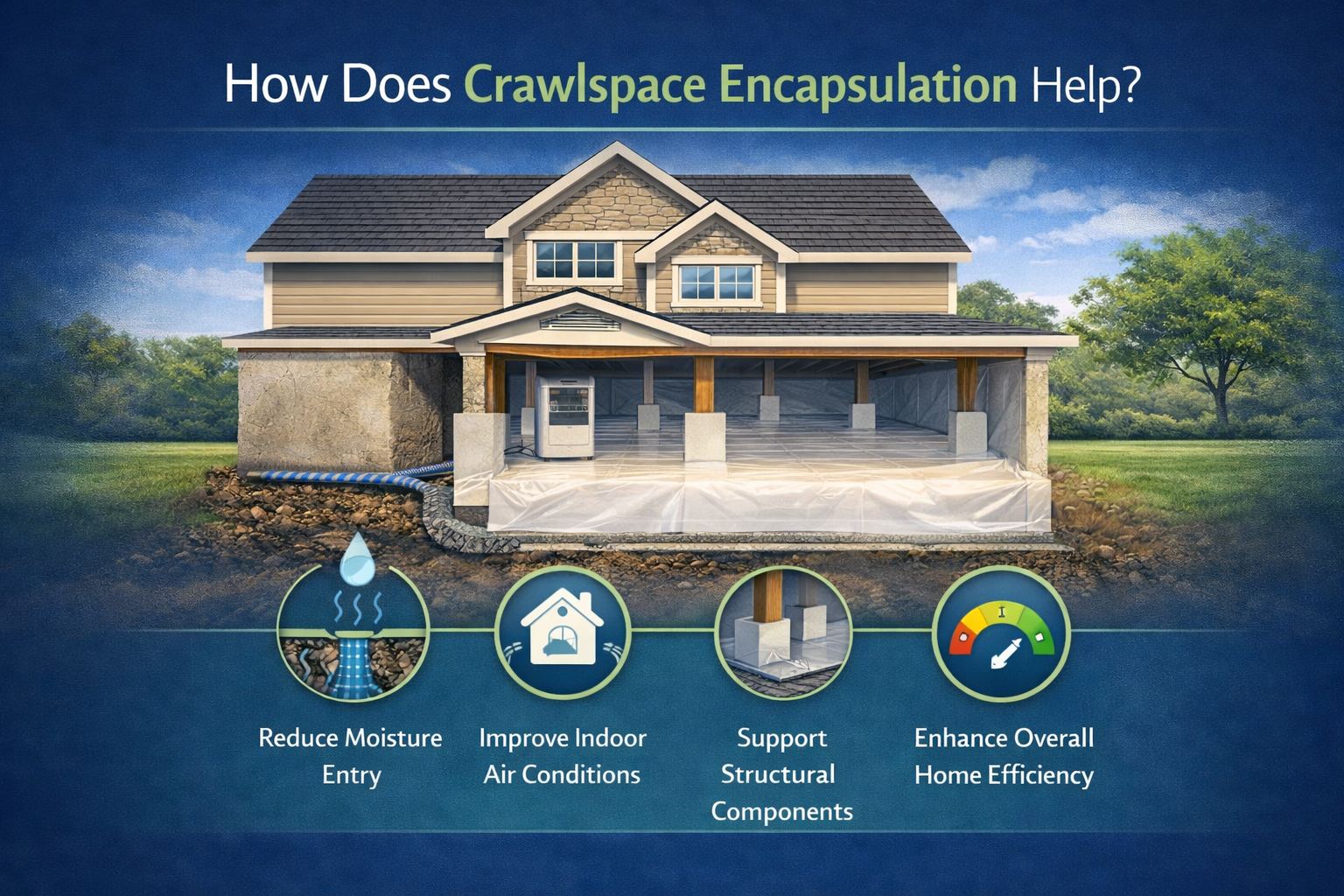
Crawlspace encapsulation usually means sealing off the area to help keep moisture in check and lessen the effects of outside conditions. This could mean putting up vapor barriers, sealing up gaps, and making drainage better where it’s needed.
When properly implemented, encapsulation may help the following:
- Reduce moisture entry
- Improve indoor air conditions
- Support structural components
- Enhance overall home efficiency
Most people consider it to be part of a larger plan for dealing with moisture, not as a fix for all problems.
When Should You Consider Professional Evaluation?
Not all crawlspaces need to be encapsulated, but some situations may call for a professional to look them over:
- Persistent musty odors
- Visible moisture or standing water
- Signs of mold or wood damage
- Increased indoor humidity
A detailed inspection can help determine whether encapsulation or other moisture control measures are appropriate.
Take Control of Your Crawlspace Before Problems Grow
Problems in the crawlspace often start quietly, with signs that are easy to miss. But over time, too much moisture can damage the home’s structure and make indoor living spaces less comfortable.
Homeowners can take action and look for the best solutions if they see early warning signs. It’s important to deal with the root cause of the problem, whether it’s humidity, water getting in, or damage to the structure.
Tru Integrity LLC can help you keep your home safe and stable by evaluating and encapsulating your crawlspace if you think there might be moisture problems there. Contact us today to schedule a professional crawlspace inspection and protect your home from future damage.
Frequently Asked Questions
Q1. What is crawlspace encapsulation?
Ans: Crawlspace encapsulation means sealing off the crawlspace to help keep moisture in control and make the area under the house more stable.
Q2. What are the signs you need crawlspace encapsulation?
Ans: Signs include mold growth, musty smells, visible moisture, and higher humidity levels inside.
Q3. What are typical issues with crawl space waterproofing?
Ans: Crawl space waterproofing issues may include poor drainage, high humidity, and water intrusion due to ground moisture or improper sealing.
Q4. How can I prevent crawl space water damage?
Ans: You can help Prevent Crawl Space Water Damage by managing drainage, controlling moisture, and considering encapsulation when needed.
Q5. When should I contact a professional?
Ans: You may consider contacting a professional when moisture issues persist or when visible damage begins to affect the crawlspace or living areas above.