
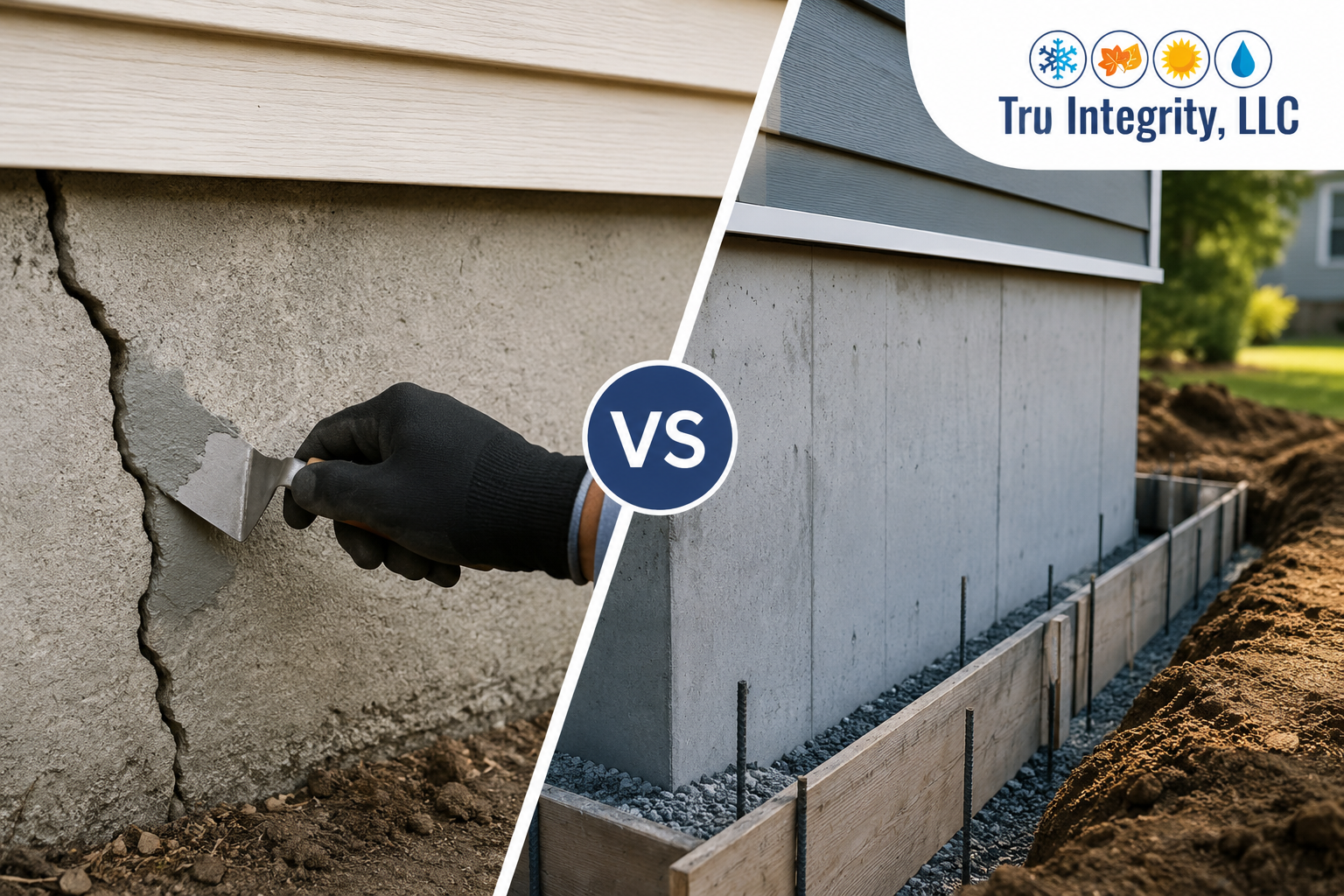
Foundation problems are a worry for any homeowner. Cracks, uneven floors, doors that stick, or evidence of moisture may cause people to wonder if repairs will solve the problem or if a complete replacement will be necessary. It depends on how serious the problem is and how it came about.
According to the Federal Emergency Management Agency (FEMA), proper maintenance and early identification of structural issues can help reduce the risk of more extensive property damage over time.
Before you decide on a solution, it is useful to understand what repair and replacement generally mean.
At Tru Integrity LLC, we recognize that each home has its own unique foundation problems. Some problems need targeted repairs, while others need more extensive structural solutions. Knowing the difference can help homeowners make better choices.
Key Takeaways
- Foundation repair and replacement are designed for different levels of damage.
- Many foundation issues can be addressed without replacing the entire foundation.
- Cracks must be evaluated according to their cause and severity.
- Moisture problems can lead to foundation deterioration.
- Professional assessments help in deciding on the best solution
What is the difference between foundation repair and replacement?
Foundation repair is the correction of particular problems with a portion of the foundation system. This may involve repairing cracks, stabilizing damaged areas, or treating conditions that cause movement or moisture intrusion.
Foundation replacement is a much more extensive project, involving the rebuilding of large sections of the foundation structure. Typically it is only considered where there is extensive damage or deterioration to the existing foundation.
When comparing foundation repair vs. replacement, the condition of the foundation is often the most important factor.
When can foundation repair be enough?
Many foundation problems do not mean replacement by any means.
The most common professional foundation repair services in Maryland include:
- Foundation settlement
- Structural movement
- Isolated damage
- Water-related concerns
- Localized cracking
Often, repairs can restore stability without a complete rebuilding of the foundation. The best solution will depend on the extent of the damage and the conditions affecting the structure.
Dealing with worries early may also prevent problems from snowballing as time goes on.
Are foundation cracks always a major problem?
Not necessarily.
Some cracks may be a normal part of settlement, but others may indicate movement, moisture intrusion, or pressure on foundation walls.
The factors commonly assessed are:
- Width of the crack
- Direction of the crack
- Location
- Evidence of movement
- Presence of water intrusion
Depending on the findings, foundation crack repair may be recommended to address the affected area and help prevent further deterioration.
The important thing is to find the cause of the crack, not just look at it.
How do basements and moisture influence the decision?
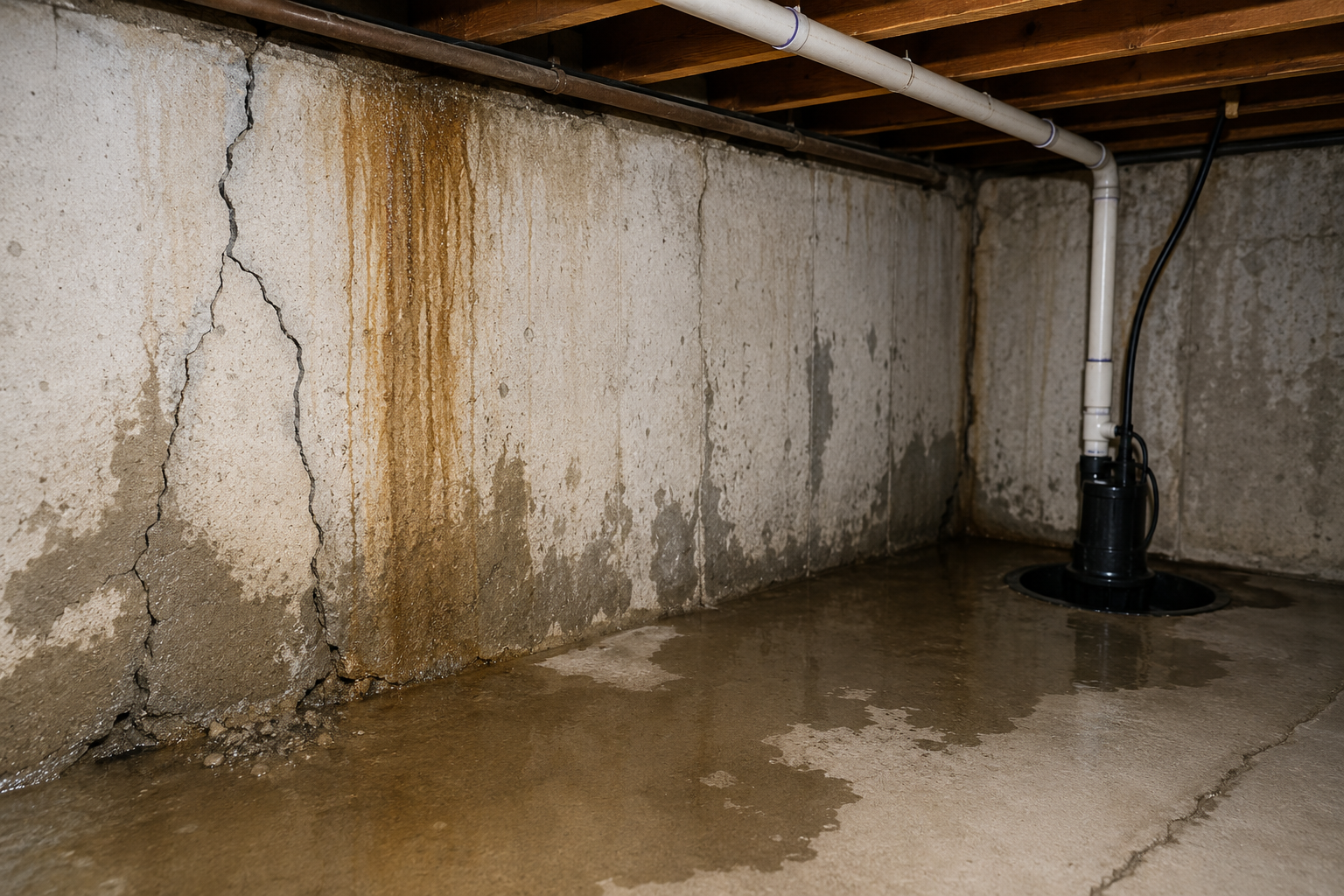
Foundation performance often has a great deal to do with moisture conditions around the home.
Too much water can lead to soil movement, pressure on foundation walls, and long-term deterioration. Hence, people often look at basement conditions when discussing foundation problems.
During basement foundation repair assessments, professionals may look for:
- Wall cracks
- Moisture intrusion
- Signs of settlement
- Drainage concerns
- Structural movement
These factors can be accounted for to obtain a clearer picture of the overall condition of the foundation.
Can waterproofing help protect the foundation?
In some cases, protecting foundation performance involves moisture management.
Repeated water intrusion and poor drainage can lead to conditions that affect foundation walls and surrounding soils. If moisture is contributing to foundation-related issues, basement waterproofing can be recommended for that reason.
Waterproofing is not a substitute for structural repairs when they are indicated, but it may help prevent conditions that lead to future problems.
At Tru Integrity LLC we often look at moisture management and foundation evaluations to help uncover contributing factors.
When might foundation replacement be considered?
Many problems can be repaired, but if the damage is extensive or the foundation is seriously damaged, we may need to consider replacement.
Because every property is different, replacement decisions are generally based on the overall condition of the foundation rather than a single visible issue.
Potential factors may include:
- Severe structural damage
- Extensive foundation failure
- Major settlement affecting multiple areas
- Long-term instability
- Conditions where repairs may not provide a practical solution
How should homeowners prepare themselves before they decide?
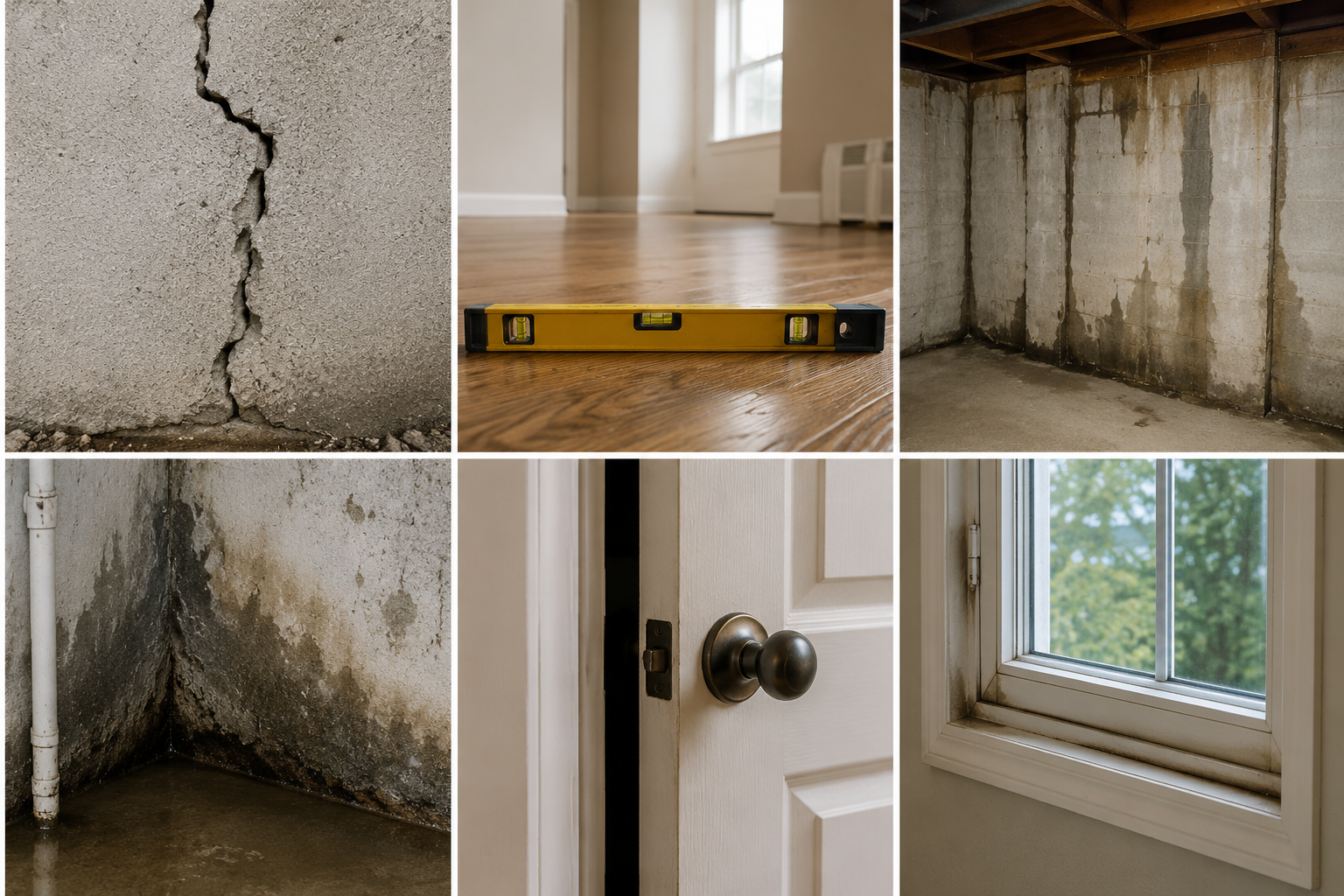
The most suitable way is to identify the problem source, the problem level, etc. so that one can decide on what kind of repair is best.
Knowing the real condition of the foundation helps homeowners avoid unnecessary work and ensures that they carry out the main work correctly.
Although the symptoms do not necessarily mean that a replacement is needed, they might be a reason to call for a professional. So, homeowners need to be aware of:
- Expanding cracks
- Uneven floors
- Bowing walls
- Persistent moisture
- Sticking doors and windows
Make the Right Choice for Your Foundation
The right answer will vary based on the real state of your foundation. Although various problems can sometimes be corrected by performing the repair only on the problematic part, an entirely new foundation might be needed if the damage is so severe. A good understanding of what caused the problem and how serious it is forms the basis for a wise choice.
Tru Integrity LLC team members are always ready to provide support to homeowners who are concerned about their foundation, helping them determine the most suitable course of action for their property. Give us a call today to schedule a professional inspection and protect your home’s structural stability for the long term. Contact us today to discuss your foundation concerns, request a free estimate, and let our experienced team provide the right solution for your home.
Frequently Asked Questions
Q1. What is the difference between foundation repair and foundation replacement?
Ans: Some damaged areas use foundation repair, and replacement is used to rebuild large portions of the foundation structure.
Q2. How do I know if my foundation can be repaired?
Ans: The answer depends on the extent of damage, structural condition, and factors contributing to the problem.
Q3. Are foundation cracks a sign that replacement is needed?
Ans: Not really. Many sizes and locations of cracks can be repaired, as well as many underlying causes.
Q4. Does moisture affect foundation performance?
Ans: Yes. Excess moisture can contribute to soil movement, pressure on foundation walls, and long-term deterioration.
Q5. Can waterproofing help protect my foundation?
Ans: Waterproofing can help control moisture conditions that cause foundation problems and provide long-term protection.