
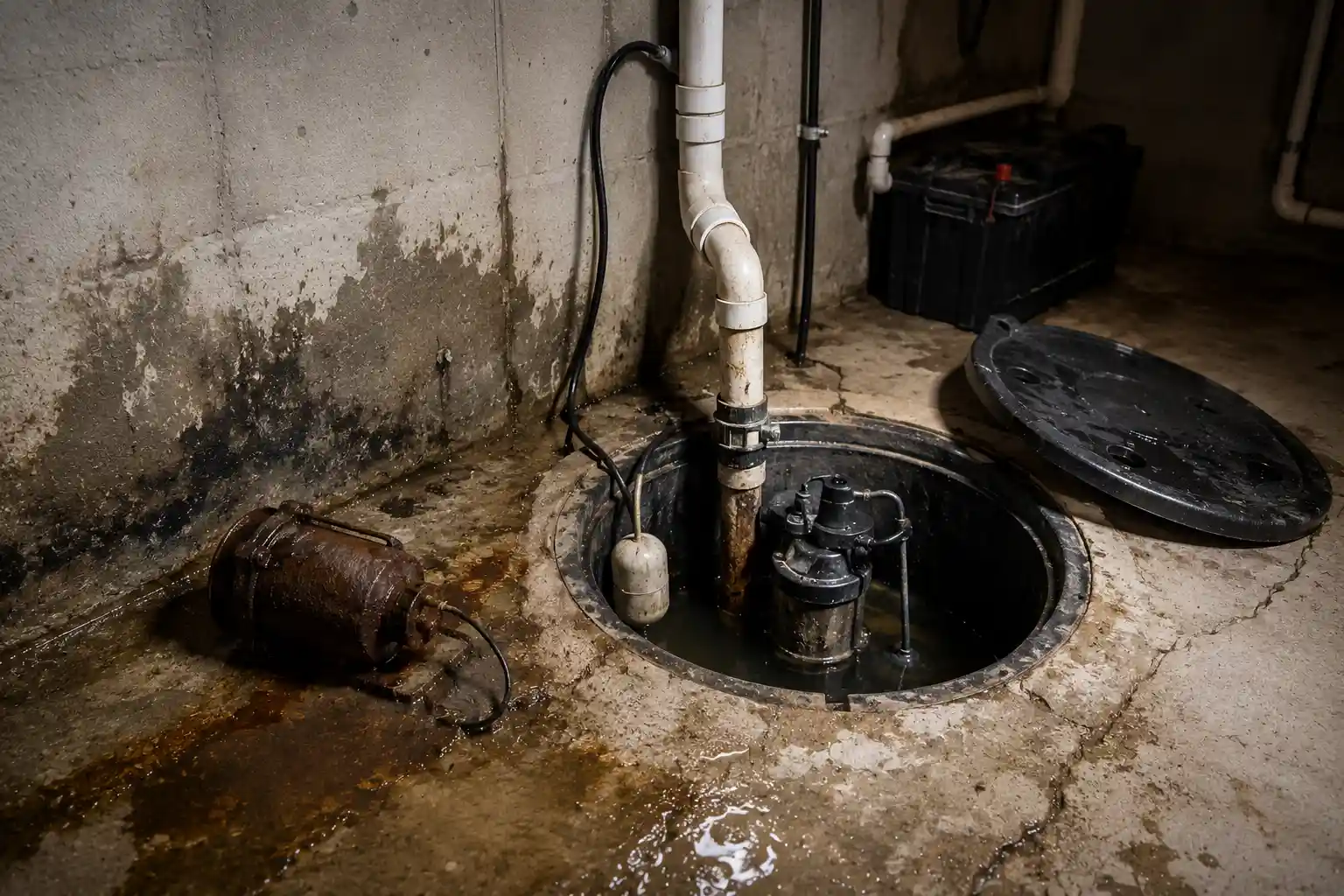
Nobody wants to deal with a flooded basement. It is messy, stressful, and can cost thousands of dollars in property damage. Your sump pump is your home’s first line of defense against heavy rains and melting snow. When it works, you barely know it is there. When it fails, you are facing a major headache.
If you have been noticing odd noises or standing water, you might be dealing with common sump pump problems right now. Catching these warning signs early can save your basement from disaster.
In this guide, we will break down the top issues to watch out for and how to protect your home.
Key Takeaways:
- Test your sump pump monthly by pouring a bucket of water into the pit to verify the float switch triggers the motor.
- Keep the sump basin clean and free of dirt, gravel, and debris to prevent intake clogs.
- Install a battery backup system so your pump keeps working even when the power goes out during a severe storm.
- Inspect the exterior discharge line regularly to make sure water flows freely away from your foundation.
- Know the most common sump pump problems so you can spot warning signs before a minor issue turns into a basement flood.
Spotting the Trouble Signs Early
Basement waterproofing is tough work, but your sump pump does the heavy lifting daily. Spotting trouble early makes all the difference.
When troubleshooting sump pump problems, always check the power source first. A tripped breaker or loose plug often causes a silent pump, and learning how to fix sump pump issues early saves you money on stormy nights.
- Strange grinding or rattling noises coming from the motor
- Constant cycling where the pump turns on and off non-stop
- Visible rust or corrosion on metal components
- A musty, damp odor lingering in the basement air
1. Power Failures and Tripped Breakers
Storms that bring heavy rain often knock out the power grid. If your home loses electricity, your electric sump pump stops working instantly unless you have a backup system in place.
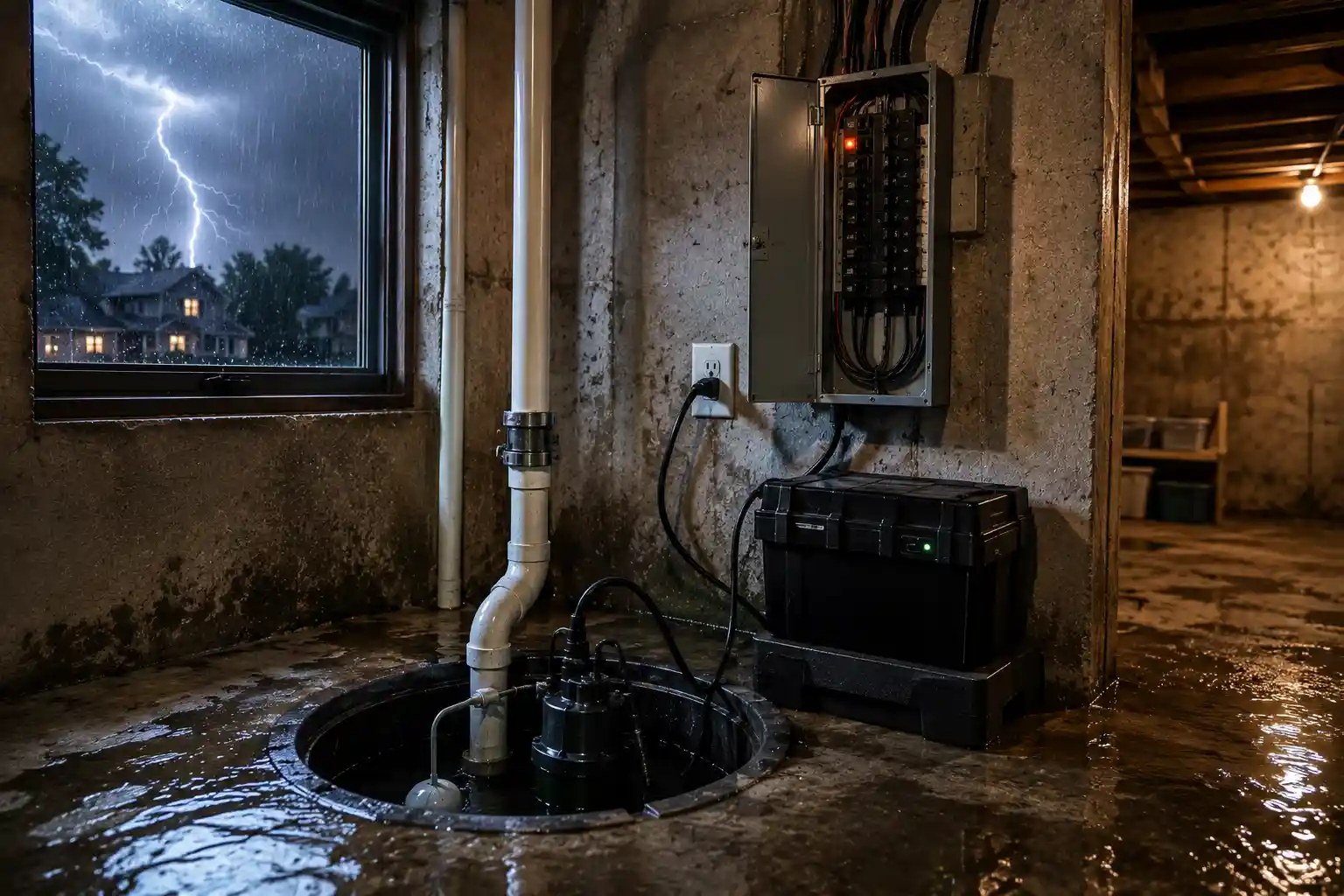
Even on clear days, a tripped breaker or a blown fuse can disable the unit. Regularly check your electrical panel to ensure the dedicated circuit for the pump is active and secure.
- Cause: Severe weather overloads local grids, or a short circuit pops the household breaker.
- Solution: Install a dedicated GFCI outlet and invest in a reliable battery backup system.
2. A Stuck or Jammed Float Switch
The float switch tells the pump when to turn on and off based on the water level in the basin. If the switch gets stuck against the side of the pit, the pump will either run continuously or fail to turn on at all.
Debris, mineral buildup, or a poorly positioned cord can easily jam the float mechanism. Periodically look inside the pit to make sure the switch moves freely up and down without any physical obstructions.
- Cause: Floating debris, tangled cords, or mechanical wear preventing free movement.
- Solution: Clear away any obstructions and reposition the tether so it hangs clear of the basin walls.
3. Overwhelmed Pump Capacity
Not all sump pumps are created equal. If your pump is too small for your home’s square footage or the local water table, it simply cannot keep up during a severe downpour.
When water enters the basin faster than the pump can discharge it, your basement will flood. Upgrading to a more powerful model solves this issue and provides reliable peace of mind during heavy seasonal storms.
- Cause: Inadequate horsepower or low flow rate for heavy regional rainfall.
- Solution: Calculate your home’s drainage needs and upgrade to a higher-capacity unit.
4. Intake Screen Clogs and Debris
Dirt, gravel, hair, and small pieces of debris frequently find their way into the sump pit. Over time, this buildup gets sucked into the intake screen and clogs the impeller.
A blocked intake forces the motor to work twice as hard, leading to premature burnout. Cleaning out the basin and clearing the intake screen twice a year keeps water flowing freely.
- Cause: Accumulation of mud, small stones, and sediment inside an unsealed sump pit.
- Solution: Flush the pit and manually clean the intake screen every six months.
5. Frozen or Clogged Discharge Pipes
The discharge pipe carries water safely away from your home’s foundation. If leaves, dirt, or ice block the end of the pipe, the water has nowhere to go and backs right back down into your basement.
During freezing winter months, exterior discharge lines can ice over completely. Insulating the pipe or extending the run away from the house prevents dangerous blockages.
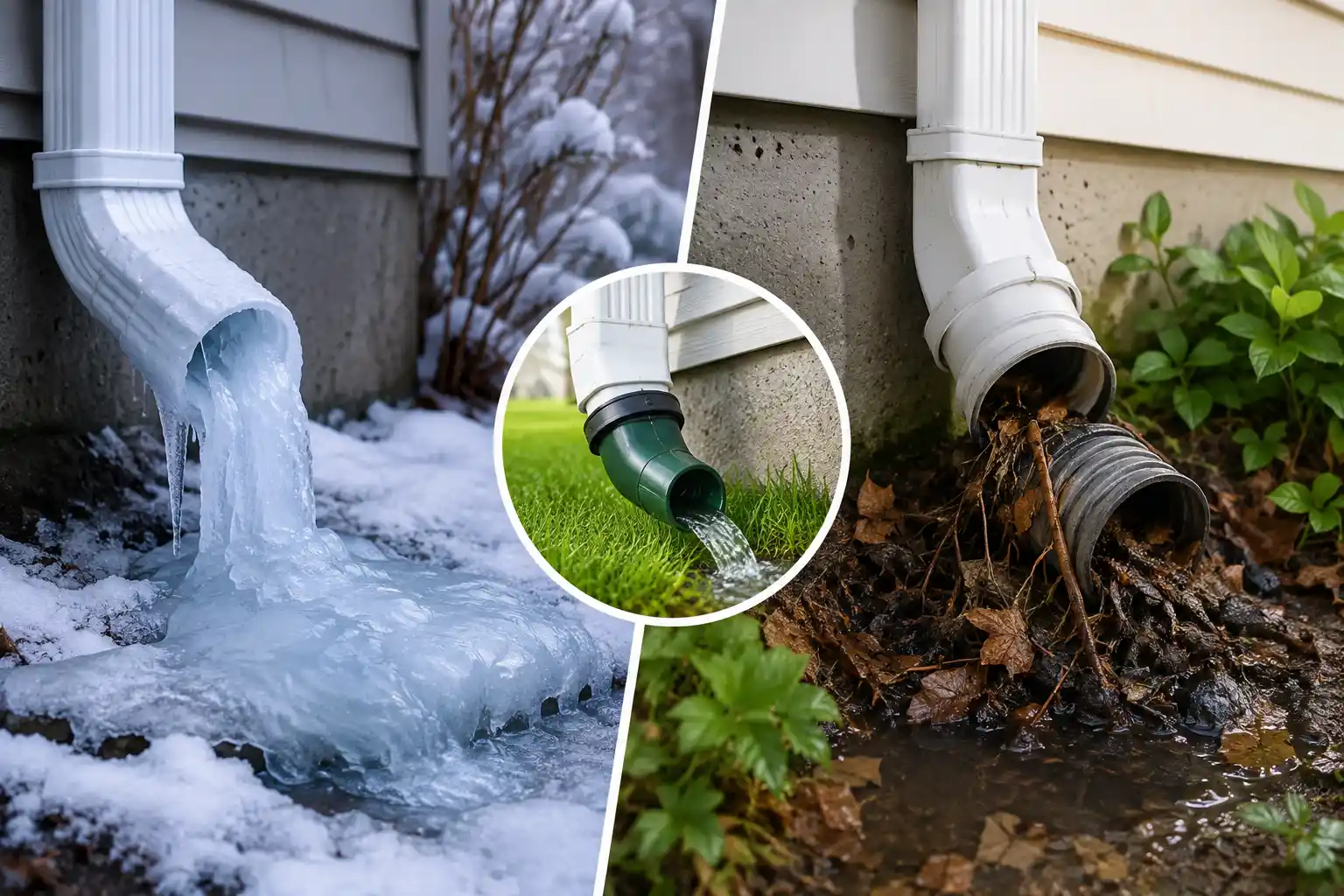
- Cause: Winter ice buildup or blockage from leaves, dirt, and animal nests at the outlet.
- Solution: Install freeze-relief adapters and keep the exterior outlet clear of snow and debris.
6. Aging Equipment and Wear-Out
Most sump pumps have a lifespan of about seven to ten years. If yours is getting older, internal parts like bearings, seals, and impellers begin to wear down naturally.
Waiting for an old pump to break down during a major storm is a gamble. Proactive replacement before the unit reaches the end of its lifespan is always the smartest strategy.
- Cause: Normal mechanical fatigue after years of continuous operation.
- Solution: Replace units that are over eight years old before storm season begins.
7. Improper Installation Mistakes
A poorly installed sump pump will never perform at its best. Common installation errors include missing check valves, incorrect pipe sizing, and placing the unit in the wrong spot in the pit.
If your system was put in hastily, it might struggle to handle normal loads. Having a professional review your setup ensures every component works together seamlessly.
- Cause: Incorrect positioning, improper discharge sizing, or missing check valves.
- Solution: Have a certified plumber inspect and correct faulty configuration layouts.
8. Continuous Running Loops
Does your pump run constantly without ever shutting off? This usually happens when the float switch is jammed, the check valve is broken, or the pump is simply too small for the job.
Running non-stop causes the motor to overheat very quickly. If you notice this happening, unplug the unit immediately and inspect the switch and check valve.
- Cause: Faulty switch mechanisms or continuous backflow circulating the same water.
- Solution: Disconnect power temporarily, test the float arm, and verify switch continuity.
9. Missing or Broken Check Valves
The check valve is a small flap located on the discharge pipe that stops water from flowing back down into the pit after the pump turns off. If this valve breaks or is installed backward, the same water cycles through your system endlessly.
This constant looping wears out the motor in record time. Replacing a faulty check valve is an inexpensive fix that protects your entire setup.
- Cause: Internal flap fatigue, cracked housing, or incorrect installation orientation.
- Solution: Swap out the broken valve with a sturdy, heavy-duty replacement model.
10. Lack of Routine Maintenance
The biggest mistake homeowners make is treating their sump pump like an appliance that needs zero attention. Out of sight often means out of mind until a flood occurs.
Scheduling a professional sump pump maintenance service once a year ensures your system is cleaned, tested, and ready for whatever weather comes your way.
- Cause: Neglecting seasonal checkups and ignoring early minor performance drops.
- Solution: Set a calendar reminder to test and service your system twice per year.
Smart Steps for Long-Term Protection
Taking care of your basement drainage system doesn’t have to be complicated. A few simple habits can extend the life of your equipment and protect your valuable belongings from water damage.
Knowing how to fix sump pump minor glitches yourself gives you confidence when stormy weather hits. However, knowing when to call in an expert is just as important for major mechanical failures.
Here at Tru Integrity, we believe that preventive care is always better than emergency repairs. Taking proactive steps today prevents costly water damage tomorrow.
Keeping Your Basement Dry Year-Round
Dealing with water issues is never fun, but staying informed keeps you in control. Watch for unusual noises, test your equipment regularly, and address any performance drops immediately.
Don’t let common sump pump problems catch you off guard during the next big storm. Reach out to Tru Integrity today for expert service and reliable protection for your home.
Frequently Asked Questions:
Q1. How often should I test my sump pump?
You should test your sump pump at least once a month, and especially before heavy rainy seasons. Pouring a few gallons of water into the pit is the easiest way to confirm the switch and motor work properly.
Q2. Why does my sump pump smell like sewage?
A dry trap or a dried-out pit can allow sewer gases to enter your basement through the sump pit. Pouring clean water into the pit often solves the problem by refilling the trap.
Q3. Should I install a battery backup pump?
Yes, absolutely. Since many severe storms knock out household electricity, a battery backup system ensures your basement stays dry when the main power grid fails.
Q4. How long do sump pumps typically last?
Most standard sump pumps last between seven and ten years. Regular maintenance and cleaning can help your unit reach the upper end of that lifespan.
At Tru Integrity, we are always here to help you keep your home safe, dry, and protected throughout every season of the year.