
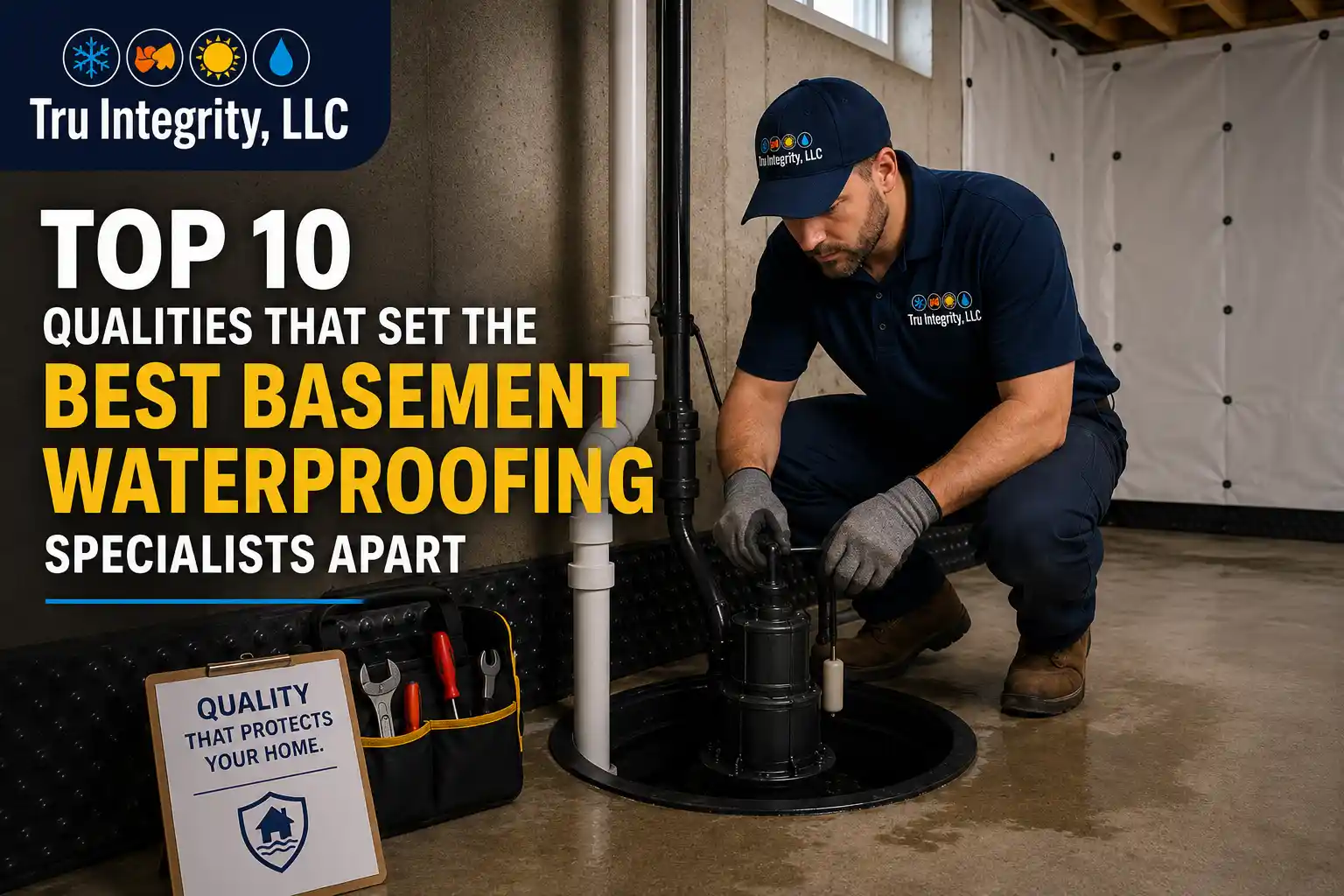
Basement moisture is more than an inconvenience. It can cause stains, odors, mold, and damage to your home. Choosing experienced basement waterproofing specialists can help identify the real problem and provide the right solution before it becomes more expensive.
The objective of this guide is to help you understand what to look for when hiring a waterproofing professional. From a detailed inspection to quality materials and honest communication, these qualities can help you make a confident decision.
Key Takeaways for a Better Waterproofing Decision
The best waterproofing professionals do more than install a system. They investigate the problem, explain their recommendations, and focus on protecting the basement for the long term. Keep these qualities in mind:
- Start with a detailed inspection.
- Look for experience with different basement conditions.
- Choose professionals who identify the root cause.
- Ask for clear explanations and written pricing.
- Make sure quality materials are being used.
- Consider drainage as part of the overall solution.
- Check reviews and professional credentials.
- Ask about warranties and ongoing maintenance.
- Avoid contractors who pressure you into quick decisions.
- Choose a company that focuses on long-term results.
1. A Thorough Basement Inspection Comes First
Procedure: The best professionals do not start by recommending a product or repair. They first inspect the basement to understand where moisture is entering and how serious the problem may be.
Assessment Areas: They may check walls, floors, windows, drainage areas, sump systems, cracks, and signs of previous water damage. This helps them identify whether the issue is caused by groundwater, poor drainage, foundation cracks, or another source.
Benefit: A proper inspection can also prevent homeowners from paying for work they do not actually need.
2. They Know Which Waterproofing Method Fits
Every basement has different needs. A reliable contractor knows that the same waterproofing method will not work for every home.
- Interior Solutions: Waterproofing inside basement spaces may involve interior drainage systems, sump pumps, sealants, or other moisture-control solutions. The right approach depends on where the water comes from and how much moisture is present.
- Floor Considerations: Professionals should also understand basement floor waterproofing and know when it is appropriate. They should explain why a particular method suits your property instead of simply recommending a standard package.
3. They Find the Real Source of Water
Covering a wet spot does not solve the reason water entered the basement in the first place. The goal should be to control the source, not just hide the evidence.
Experienced specialists look beyond visible moisture. They check drainage, grading, foundation conditions, gutters, downspouts, and possible groundwater pressure — the same common causes of basement dampness homeowners across the region run into.
Finding the cause can help reduce the chance of recurring problems after the work is finished. It also makes the recommended solution more practical for long-term protection.
4. They Make the Process Easy to Understand
| Communication Aspect | Details |
| Initial Clarity | A trustworthy professional should make the process easy to understand from the first inspection to the final repair. |
| Expectation Setting | You should know what caused the moisture, what work is recommended, which materials will be used, and what results you can reasonably expect. |
| No-Pressure Policy | Good communication also means answering questions without pressure. If a contractor uses technical terms, they should be willing to explain them in simple language. |
When researching how to waterproof a basement, homeowners should compare solutions based on their property’s actual condition rather than choosing a method simply because it is popular.
5. They Know How to Handle Different Basement Spaces
Structural Diversity: Basements are not all built the same. Some are unfinished storage areas, while others are used as bedrooms, offices, playrooms, or living spaces.
Surface Protection: Experienced professionals understand how waterproofing work can affect different spaces. For example, waterproofing a finished basement may require extra planning to protect flooring, walls, furniture, and other finished surfaces.
Assessment: A skilled contractor considers the current condition and use of the basement before starting work.
6. They Use Reliable Materials and Proper Equipment
Good workmanship depends on dependable materials. A professional waterproofing company should use products and equipment suited to basement moisture problems.
Depending on the project, this may include drainage components, sump pumps, vapor barriers, sealants, or foundation repair materials.
Ask which products will be used and why they are suitable for your basement. A good specialist should be able to explain the purpose of each major component.
7. They Understand the Importance of Drainage
Waterproofing is not only about stopping water after it reaches the basement. Good drainage helps move water away from the home before it creates an indoor problem.
Professionals may examine gutters, downspouts, soil grading, exterior drainage, and other areas around the foundation.
They should also consider how water moves around the property during heavy rain. Correcting drainage problems can reduce water pressure around the foundation and support the overall waterproofing system.
8. They Give You a Clear Project Plan
Before work begins, homeowners should understand exactly what the project includes and what they are paying for. A clear proposal should explain:
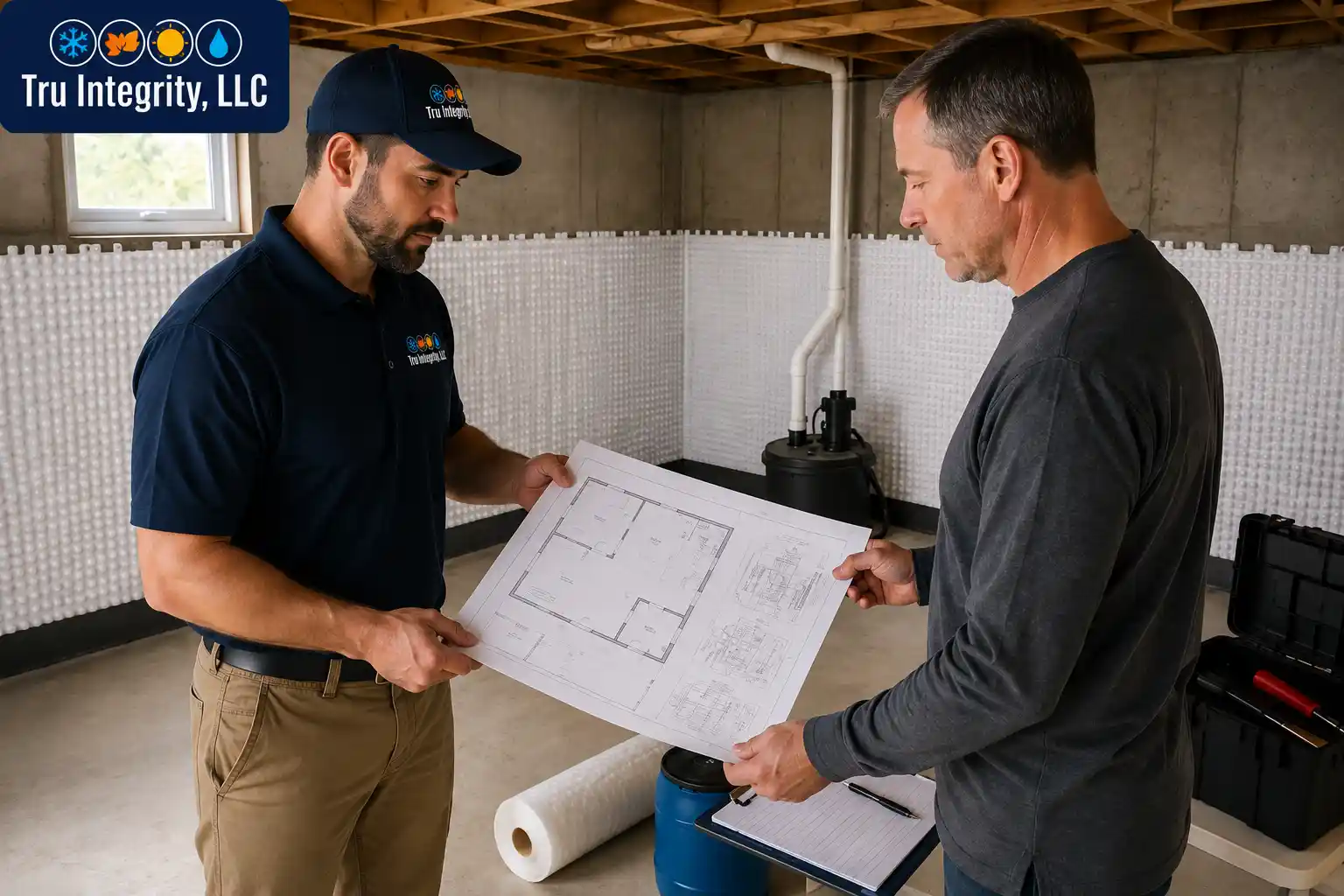
- What areas will be repaired or waterproofed
- Which materials and systems will be installed
- What preparation is required
- How long the work may take
- What is included in the quoted price
- Whether cleanup is included
- What warranty or service support is available
Note: This level of clarity helps prevent unexpected costs and misunderstandings later.
9. They Plan for Long-Term Basement Protection
Investment View: Basement waterproofing should be viewed as an investment in the property, not simply a way to cover current water stains.
Performance: The right specialist considers how the solution should perform over time. They should also explain basic maintenance and warning signs to watch for after the work is completed.
Preventative Care: For example, keeping gutters clear and directing downspouts away from the foundation can help support the waterproofing system. A professional may also recommend checking drainage components and sump equipment regularly.
10. They Have a Proven Reputation and Professional Approach
Experience matters, but so does the way a company communicates and treats its customers.
Look for contractors with positive customer reviews, clear communication, required licensing, and experience with similar projects.
Ask questions before signing a contract. A dependable company should be willing to discuss your concerns and provide straightforward answers without using pressure tactics.
Tru Integrity believes homeowners deserve clear information and practical solutions throughout the waterproofing process.
What to Look for Before You Hire?
Choosing a waterproofing company is an important decision because the quality of the work can affect your basement for years. Look for a contractor who takes time to inspect the property, explains the cause of the moisture, and recommends a solution based on your home’s needs.
It is also helpful to review the company’s experience, customer feedback, licensing where required, written estimates, warranties, and approach to customer service. A professional should give you enough information to make a decision without using pressure or making unrealistic promises.
Make a Confident Choice for Basement Protection
A dry basement starts with understanding the source of moisture and choosing a solution that fits the property.
The right basement waterproofing specialists should provide a careful inspection, honest recommendations, quality workmanship, and clear communication from start to finish.
With the right professional approach, homeowners can protect their basement and enjoy a cleaner, drier, and more comfortable space for years to come. If you are dealing with recurring moisture, contact Tru Integrity to have the problem properly assessed before choosing a repair.
Frequently Asked Questions:
1. How do I know if my basement needs waterproofing?
Common signs include damp walls, water stains, musty smells, puddles, peeling paint, mold growth, and repeated moisture after rain. These signs should not be ignored because ongoing moisture can damage the basement over time.
2. Is interior or exterior waterproofing better?
Neither option is automatically better for every property. The right choice depends on where the water is coming from, the foundation condition, drainage, accessibility, and the structure of the home.
3. Can basement waterproofing prevent future water damage?
A properly designed system can significantly reduce the risk of future water intrusion. However, the surrounding drainage, foundation, gutters, and other factors also need to be addressed when necessary.
4. How long does basement waterproofing take?
The timeframe depends on the size of the basement, the type of waterproofing system, the extent of the moisture problem, and any required repairs. A professional should provide a realistic project timeline before work begins.
5. What makes a waterproofing company trustworthy?
Look for experience, transparent pricing, good customer reviews, clear communication, quality materials, written agreements, and warranty support. A trustworthy company should explain the problem and solution without using high-pressure sales tactics.