
A sump pump is one of the most important systems that keeps too much water out of your basement. It works quietly in the background to move water that has built up away from your home and help keep the lower levels of your property dry. But, like most machines, it might wear out or stop working as well over time.
For homeowners dealing with heavy rain, groundwater buildup, or basement moisture issues, recognizing when to replace sump pump systems can make a major difference in preventing water damage. A failing pump may not always stop working suddenly. In many cases, it gives subtle warning signs first.
Did you know that the U.S. Environmental Protection Agency (EPA) says that if water gets into your basement and you don’t deal with it properly, it can cause mold to grow and damage the building?
At Tru Integrity LLC, homeowners often request to inspect their pumps when they start to act strangely or after a bad storm. Finding early signs of pump failure lowers the chance of flooding and protects the home’s foundation.
Key Takeaways
- A sump pump keeps basements safe by getting rid of water that has built up before it can hurt anything.
- Weird noises or a lot of cycling could mean that the pump is having problems inside.
- Pumps that are getting older may not work as well and may need to be replaced.
- If there is water in the basement, it is a clear sign that the pump has stopped working.
- Having a professional install the system helps make sure it works right when it rains a lot.
Objective
This blog helps homeowners figure out when their sump pump might fail, what to think about when replacing it, and when getting a professional inspection might help keep water from getting into their basement.
Why a Sump Pump Plays an Important Role in Basement Protection
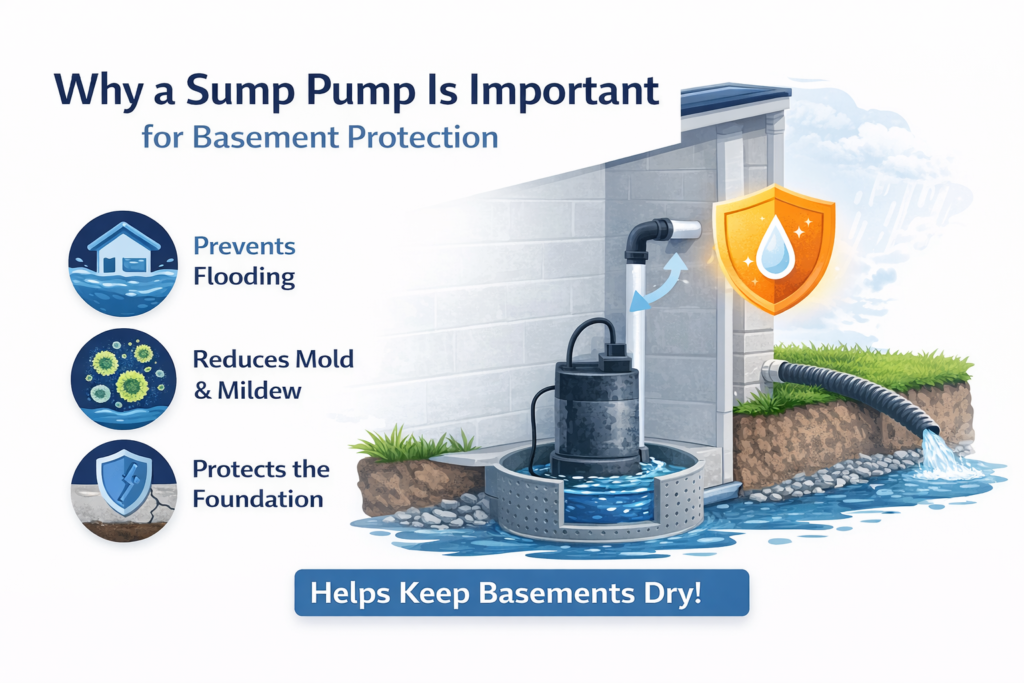
A sump pump collects extra water in a basin and sends it away from the house through a drainage system. This lowers the risk of flooding and moisture buildup in the basement.
Your website says that sump pumps can help keep basements and crawlspaces dry and lower the risk of mold, mildew, and damage to the foundation. They are very helpful when homes are in places where rainwater or groundwater can pool close to the foundation.
But the protection it offers may not be as good when the pump gets old or stops working well. Therefore, monitoring its condition is key to preserving the dryness of your basement.
Is Your Pump Getting Older Than Expected?
Age is often the first sign that something needs to be replaced. Most sump pumps work all the time when it rains heavily or when the groundwater level is high. Parts like motors and float switches may start to wear out over time.
If your pump has been in place for a long time and starts to work erratically, it might be time to think about getting a new one.
Older pumps sometimes show these patterns:
- Slower response when water levels rise
- Increased vibration during operation
- Reduced pumping efficiency
When this happens, homeowners often want to know how to replace a sump pump. However, it is usually best to have a professional look at it first to see if a repair or replacement is needed.
Strange Noises Could Mean Internal Wear
Strange noises are another sign that something might be wrong. Pumps make some noise when they work, but grinding, rattling, or loud humming sounds could mean that the parts inside are worn out.
Common causes of these noises may include:
- Motor problems
- Loose or damaged parts
- Debris entering the pump basin
If the noise comes on suddenly or gets louder over time, it could mean that the pump isn’t working right. Taking care of these problems early can help keep the system from breaking down when it rains heavily.
Frequent Cycling Might Be a Warning Sign
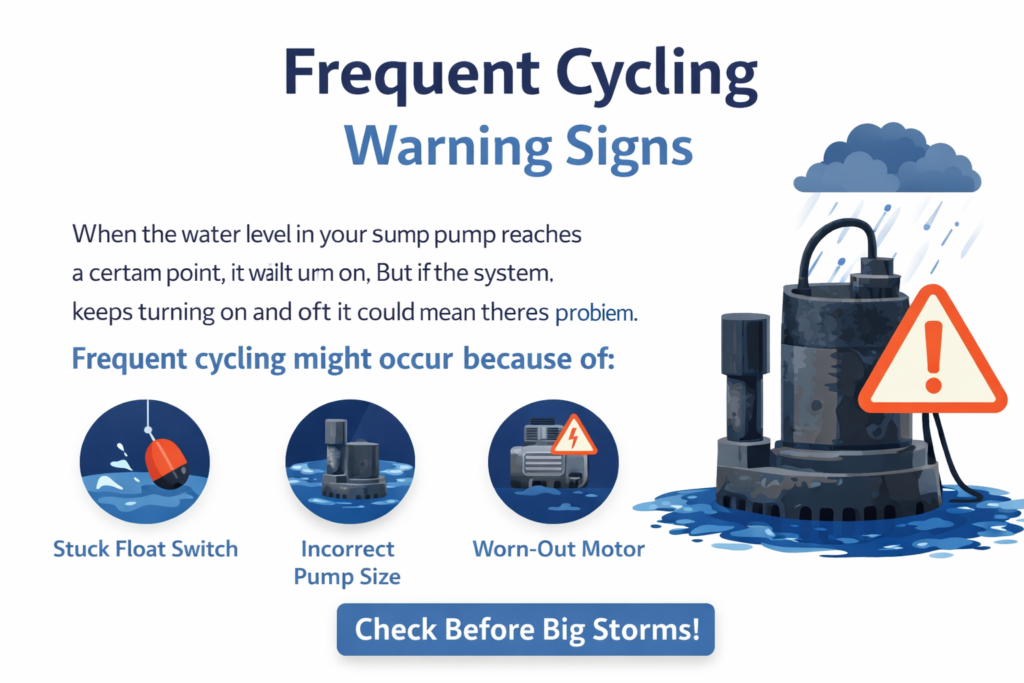
When the water level in your sump pump reaches a certain point, it will turn on. But if the system keeps turning on and off, it could mean there’s a problem.
Frequent cycling might occur because of:
- A stuck float switch
- Incorrect pump size
- A worn-out motor
This kind of behavior could also mean that the pump is getting close to the end of its life. In these situations, a technician might suggest checking to see if it’s time to replace the sump pump equipment before a big storm shows how weak the system is.
Water Remaining in the Basement
Water that stays in the basement after it rains is probably the most obvious sign that a pump is not working.
Your website says that sump pumps help keep basements and crawlspaces dry by getting rid of water that could cause flooding and damage. When a pump malfunctions, its ability to protect the area decreases.
If there is always water in the sump pit or near the basement floor, it could mean that the pump is not working right or that it can’t keep up with the water coming in.
What Factors Influence Sump Pump Replacement Cost?
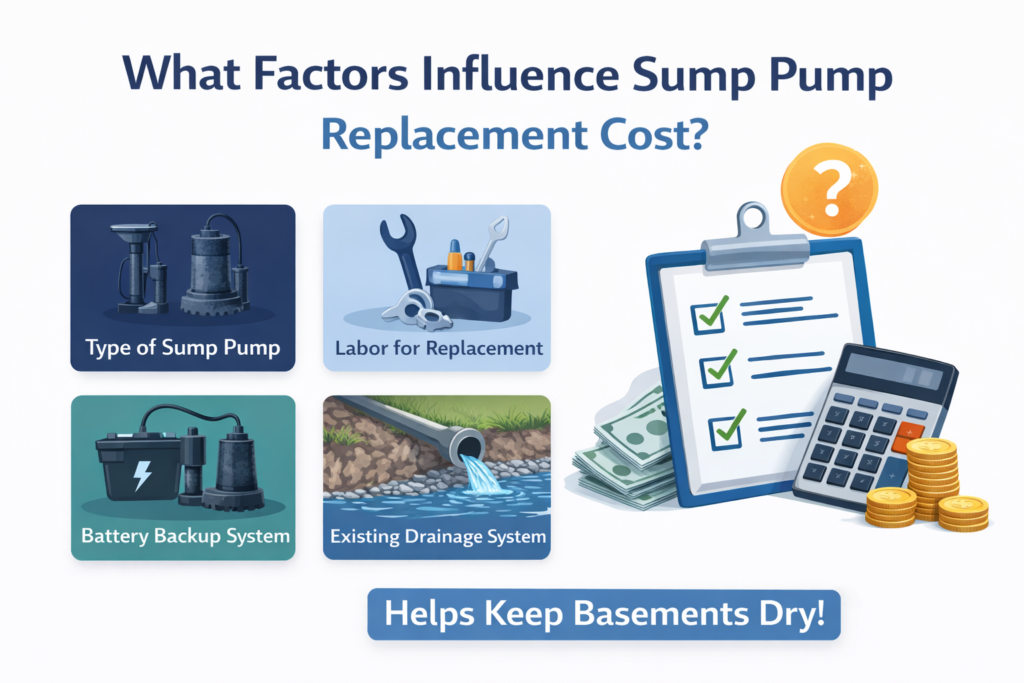
Many homeowners wonder about sump pump replacement cost when their system begins failing. The final cost usually depends on a number of things, such as
- Type of sump pump installed
- Labor required for removal and replacement
- Whether a battery backup system is added
- Condition of existing drainage systems
Some people suggest battery backup pumps because they let the pump keep working even if the power goes out during bad weather.
Homeowners can figure out which option is best for their property by talking to a professional about these things.
When Professional Installation Makes a Difference
Some homeowners try to fix their sump pumps, but professional sump pump installation often ensures the system is properly sized and positioned for the property.
Installation specialists evaluate factors such as:
- Basement layout
- Water table conditions
- Drainage system connections
- Pump capacity requirements
At Tru Integrity LLC, technicians check the condition of pumps that are already in place and decide if it’s better to fix them or replace them. Their services are meant to keep basements from flooding, growing mold, and having other problems with the structure that can happen when there is too much moisture.
Protect Your Basement Before the Next Heavy Rain
A sump pump usually works without anyone knowing until something goes wrong. If you wait until the system stops working completely, your basement could be at risk during storms or times of heavy groundwater.
If you hear strange noises, see your equipment cycling too often, or see water building up, it might be time to think about getting a new one. Taking action early keeps your basement dry and lowers the risk of water damage.
Tru Integrity LLC can help protect your home’s foundation by inspecting and installing sump pumps if you are having problems with one or want a professional opinion.
Frequently Asked Questions About Sump Pump Replacement
Q1. How often should a sump pump be replaced?
Ans: Many pumps can last for years, but when to replace them depends on how often they are used, how well they are cared for, and the water conditions around the house.
Q2. What are the common signs that a sump pump is failing?
Ans: Some signs that something is wrong are strange sounds, the pump cycling too often, water staying in the sump pit, or the pump not working as well as it should.
Q3. Can homeowners learn how to replace a sump pump themselves?
Ans: Some homeowners look up how to replace a sump pump, but hiring a professional to do it makes sure the system is the right size and is installed correctly.
Q4. What affects sump pump replacement cost?
Ans: The cost of a pump can change based on the type of pump, how difficult it is to install, and whether or not backup battery systems or drainage upgrades are included.
Q5. Why is professional sump pump installation recommended?
Ans: Professional installation makes sure that the system is set up correctly, that the drainage connections are working, and that it will work during storms or times of heavy groundwater.