
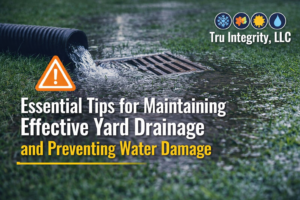
Managing water around your house starts outside. The way moisture moves toward or away from a building is affected by the grading of the yard, the drainage paths, and the condition of the surface. At Tru Integrity LLC, service descriptions stress practical ways to manage moisture that focus on keeping water from getting to the source instead of fixing damage that has already happened.
“Did you know, according to the University of Minnesota Extension, water accumulation around a foundation is often linked to drainage and grading conditions that allow moisture to remain near the structure over time?”
This perspective underscores the importance of managing water outdoors in maintaining a property’s integrity over time. When the outside drainage works well, homeowners can lower the chances of moisture staying near structural parts.
Key Takeaways
- Proper outdoor drainage helps keep moisture away from the foundation.
- Routine observation supports early identification of drainage issues.
- Exterior water control complements interior moisture protection methods.
- Consistent maintenance supports long-term drainage performance.
- Professional evaluation helps make sure that drainage solutions fit the property.
Objective
Provide homeowners useful advice on how to keep their yards properly drained to lower the risk of moisture damage, protect the foundation, and help control the flow of water around homes.
Why does outdoor water management matter more than people expect?
Water will always go the way that is easiest for it to go. Moisture may stay near the foundation longer than planned if the yard slopes toward the house or drainage channels get blocked. Repeated exposure over time can change the way soil and building materials work.
Consistent yard drainage maintenance helps direct water away from vulnerable areas. It is generally thought that keeping drainage paths clear is a preventative measure rather than a repair strategy, even though the results depend on how the property is designed.
People often talk about outdoor water control and indoor protection methods at the same time because both systems work together to keep moisture from getting in.
How can homeowners identify early drainage concerns?
Most of the time, early signs are small rather than big. If there is standing water after it rains, soil that is too wet near the foundation, or erosion patterns in the yard, it could mean that the drainage system isn’t working well. These signs often show up before the symptoms inside the body start to show up.
Property owners aiming to prevent water damage in yard areas typically focus on maintaining slope direction, clearing debris from drainage pathways, and monitoring water flow patterns during heavy rainfall. While these steps may not resolve all moisture concerns, they are commonly viewed as practical first measures.
Routine observation helps homeowners understand how water behaves on their property across different weather conditions.
What role do drainage improvements play in foundation protection?
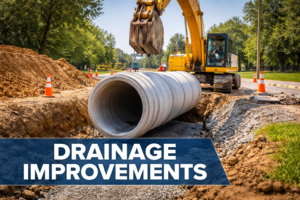
There is a strong connection between protecting the structure and draining water outside. Water that stays close to a foundation for a long time can help moisture move through surfaces that are below grade. Because of this, controlling the movement of surface water is often considered a way to help control moisture inside.
Effective yard drainage solutions may include grading adjustments, surface channeling methods, or controlled water discharge away from the structure. The exact method depends on how the landscape is set up and how well the drainage is working now.
At tru integrity llc, service descriptions stress the importance of checking moisture pathways before suggesting protective measures. This shows that they use a structured and condition-based approach.
Can exterior drainage help protect indoor spaces?
Yard drainage mostly takes care of moisture outside, but it may also help keep the inside comfortable by reducing how long people are exposed to structural surfaces. Effectively moving water away from the foundation walls can reduce the likelihood of the area remaining damp.
Homeowners focused on maintaining overall property condition often explore both drainage management and the best basement waterproofing options as part of a broader moisture control strategy. These methods are usually seen as working together rather than as interchangeable.
Managing environmental exposure around the house is often the first step in protecting structural materials.
What practical steps support long-term drainage performance?
Most of the time, you need to check and maintain your drainage systems to keep them working well. Changes in water flow can happen slowly over time because of things like soil movement, plant growth, and changes in the weather.
During maintenance, common considerations include ensuring even grading, maintaining clear drainage outlets, and monitoring areas where water tends to pool. Often, people mistake these actions for routine property maintenance rather than recognizing the need for repairs.
Tru Integrity LLC stresses the need to make sure that the outside drainage conditions are in line with the overall moisture management plan in the middle of many service discussions. This cautious approach stresses evaluation before action.
Why consistency matters more than occasional fixes
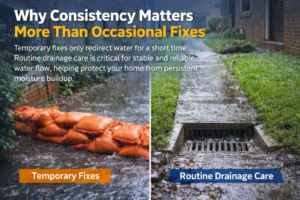
When it comes to managing water, it’s usually best to do it consistently instead of reactively. Temporary fixes might move water around for a short time, but for long-term performance, drainage paths need to be stable and surfaces need to be kept up.
Homeowners seeking to protect your home from water damage often focus on maintaining reliable water flow away from structural elements. No system can completely protect against environmental exposure, but regular management may help keep building materials from being in contact with moisture for long periods of time.
Routine drainage care is commonly viewed as part of ongoing property stewardship.
Take a Proactive Approach to Outdoor Moisture Control
Taking care of water outside the house is an important part of keeping the structure strong and the inside comfortable. When drainage pathways work as they should, homeowners can lower the risk of long-term exposure to moisture near important structural areas.
If you’re looking for practical ways to keep your property’s drainage working well, Tru Integrity LLC can help. They offer service-based solutions that involve careful assessment and targeted recommendations to deal with moisture problems.
Schedule a drainage evaluation with Tru Integrity LLC today
Learn how proactive exterior water management can help keep your property safe for years to come and maintain a stable environment around your home.
Contact us today for a professional evaluation and customized solution to protect your investment.
FAQs
Q1. What is yard drainage maintenance, and why is it important?
Ans. It involves monitoring and repairing drainage pathways to prevent water from entering structural areas and prevent moisture from remaining there for extended periods.
Q2. How often should homeowners check their drainage conditions?
Ans. Many property owners look at how water moves seasonally or after heavy rain to see if there are any changes.
Q3. Can poor yard drainage affect indoor spaces?
Ans. Long-term exposure to moisture near a foundation may lead to conditions that affect the inside of a building over time.
Q4. Are drainage improvements part of moisture control planning?
Ans. People often consider them to be one part of a larger plan for managing moisture on a property.
Q5. When should professional evaluation be considered?
Ans. When water keeps building up or the way it drains changes a lot, homeowners often want an evaluation.