
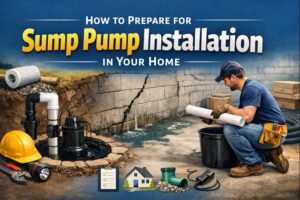
Managing water inside a home starts long before you can see standing water. Many homeowners think about getting a sump pump after they notice that their basement is damp, recurring seepage, or that the drainage isn’t working well during heavy rain. Getting ready ahead of time helps make sure that the installation goes smoothly and fits with how things are in the basement.
Tru Integrity LLC sees sump pump planning as a way to test things out in real life. Instead of using a one-size-fits-all approach, proper preparation helps make sure the system fits your home’s drainage needs.
Key Takeaways
- Preparation helps avoid installation issues later.
- Planning for drainage is just as important as the pump.
- It’s best to think about backup options early on.
- Local conditions affect how a system is built.
- A professional evaluation leads to better results.
Objective
To help homeowners understand how proper preparation supports effective sump pump installation by looking at the basement layout, drainage conditions, and backup needs before work begins.
What do homeowners need to know before they plan to install?
It’s important to know why the system is needed before home sump pump installation. Most of the time, sump pumps are put in to deal with groundwater or water that keeps coming back, not just surface flooding.
To get ready, you need to figure out where the water enters the basement, how often it comes in, and if it collects in a specific area. This information helps you decide if a sump pump is right for you and where to put it.
How do you assess your basement conditions properly?
A clear picture of the basement’s condition now will help you avoid making changes that aren’t necessary later. This means looking for low spots on the floor, drainage systems that are already in place, and patterns of visible moisture.
Professionals often evaluate the steps to install a sump pump in your home by looking at access points, discharge routing, and floor structure to decide how to install a sump pump in your home. At this point, getting ready makes sure that the installation will fit in the space without interfering with other systems.
Why is it so important to plan for drainage?
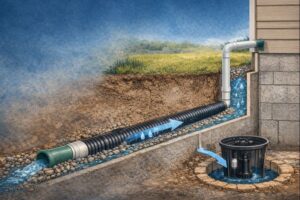
A sump pump works best when it is used with good drainage. Water needs to be able to flow freely to the pump, and discharge lines need to safely move water away from the foundation.
This is where Sump pump installation and drainage solutions come together. Planning helps keep water from flowing toward weak spots around the house.
Tru Integrity LLC’s main goal halfway through the process is to make sure that the placement of the sump pump works with the way water flows through the system, not to push water into an inefficient system.
Should homeowners think about backup plans ahead of time?
During storms, when sump pumps are most needed, power outages can happen. When homeowners think about a battery backup sump pump before they need one, they can plan for space, power needs, and maintenance needs ahead of time.
People usually talk about backup systems when they are planning, not after they are installed. This way, they can be added in the right way instead of as an afterthought.
How does location influence sump pump preparation?
The design of a sump pump is affected by the soil conditions, water tables, and layout of the property. Some homes may have higher groundwater pressure or slower drainage than others.
For homeowners researching sump pump installation in Severna Park md, preparation often involves looking into how water behaves during long periods of rain and how drainage works in their area. This helps make sure that the system works with the weather in the area.
How does putting in a sump pump relate to waterproofing?
Sump pumps are often used as part of a larger plan for controlling moisture. Sometimes, they work alongside foundation sealing or interior drainage systems.
This connection is why people sometimes talk about planning a sump pump alongside the best basement waterproofing approaches. Preparation makes sure that systems work together instead of getting in each other’s way.
Why is choosing the right service provider part of preparation?

Getting ready isn’t just about getting in shape; it’s also about knowing who is doing the work. A careful, inspection-based approach helps make sure that recommendations are based on real-life situations.
When homeowners plan for a sump pump, they often think about working with the best waterproofing company for their needs. They look for companies that are experienced, honest, and offer practical solutions instead of trying to sell them more.
What should be ready before installation day?
Before the installation, homeowners may need to make sure they can get to the basement, find utility lines, and check the options for routing the discharge. These steps help keep things moving quickly and avoid delays.
Clear communication about what is expected, when maintenance will be done, and when future inspections will be done also helps long-term performance.
Schedule a professional sump pump evaluation today
If you are considering sump pump installation, Contact us today to schedule a consultation and keep your basement protected.
Frequently Asked Questions
Q1. How long does sump pump installation usually take?
Ans.The installation timeline depends on basement layout, concrete thickness, and drainage preparation. Most standard residential installations are completed within a few hours, while more complex setups involving trenching, battery backups, or drainage tie-ins may take a full day or longer.
Q2. Is a sump pump always necessary for basement moisture?
Ans. Not in every case. Basements may show moisture due to humidity, surface condensation, or poor ventilation rather than groundwater intrusion. A proper assessment helps determine whether a sump pump is the most appropriate solution or if dehumidification, grading, or waterproofing would be more effective.
Q3. Can a sump pump work without drainage improvements?
Ans. It can function, but it may not solve the problem efficiently. Drainage channels, discharge lines, and grading prevent water from accumulating in the wrong areas and ensure the pump isn’t overwhelmed during storms.
Q4. Should backup systems be installed at the same time?
Ans. Yes, planning for battery backups or secondary pumps early ensures compatibility and reduces future labor costs while improving flood resilience.