
Monsoon rains can be a major headache for residential properties, especially when surface water doesn’t have enough routes to move away from the building. Water left pooling, saturated soil, and slow runoff are common problems that indicate underlying drainage limitations, even if caused by temporary weather conditions—situations where investing in the best basement waterproofing solutions becomes essential to protect the structure and prevent long-term damage.
Did you know that waterlogging usually develops when existing drainage paths are unable to keep up with consistent or heavy rainfall, even if the property appears fine during drier months?
At Tru Integrity LLC, drainage work is approached by first understanding how water behaves on a property during wet conditions. Improving drainage is not about installing more components, it is about changing the way water flows, collects, and leaves the site.
Key Takeaways
- Waterlogging often points to drainage limitations.
- Monsoon rain exposes weak drainage areas quickly.
- Drainage improvements guide water away from the property.
- Professional evaluation supports accurate solutions.
- Early improvements reduce repeated monsoon issues.
Objective
This blog aims to explain how improving property drainage can help prevent monsoon waterlogging and why inspection-based solutions are essential for managing seasonal rainfall effectively.
What does drainage system improvement actually mean?
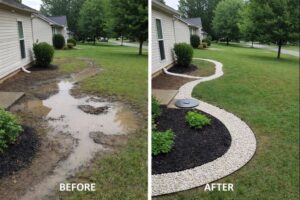
Drainage system improvement refers to evaluating and enhancing how water is managed across a property to reduce pooling and soil saturation. Improving Your Drainage System can involve adjusting existing drainage paths, adding new components, or improving grading where necessary.
The aim is not to prevent rainfall from impacting the ground, but rather to enable controlled water movement that does not allow prolonged surface water retention. Improving the drainage system depends on the layout of the property, the type of soil, and exposure to rainfall.
Why does monsoon rainfall expose drainage weaknesses?
During heavy rainfall, water can infiltrate the property at a rate higher than the drainage system’s capacity. Thus, areas which usually dry up fast may remain wet for longer periods of time.
Properties in regions with seasonal heavy rainfall often need drainage solutions that account for volume and duration. This is why drainage solutions for heavy rainfall areas focus on managing flow capacity rather than provisional runoff alone.
Identifying these weak points early helps prevent recurring waterlogging during each monsoon cycle.
How does waterlogging affect your yard and foundation?
Standing water in yards can soften soil, affect landscaping, and increase moisture exposure near foundations. Over time, repeated saturation may contribute to erosion or uneven ground conditions.
The primary aim of property drainage improvement is to redirect water away from sensitive areas before it accumulates. By managing surface flow and subsurface saturation, drainage improvements help maintain more consistent soil conditions around the structure.
This protective role becomes especially important during successive rainy days.
What drainage improvements help prevent waterlogging?
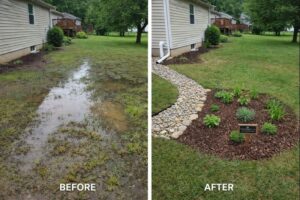
To prevent waterlogging, drainage strategies typically involve surface and subsurface solutions used together. These could be redirecting runoff, soil grading, or opening up existing drainage paths to facilitate flow.
Improvement plans are rarely relying on a single method, but rather they are layered to address water movement from different sides. Each component of the system is serving a specific function, whether it is guiding surface water or providing relief to subsurface areas that are pressurized.
Tru Integrity LLC at this point in time is highlighting the importance of matching the improvement with the issue that is observed instead of just applying generic fixes.
How do drainage solutions reduce monsoon flooding risk?
Drainage systems built to handle seasonal rainfall are trying to shorten the time that water remains on the surface. Effective drainage solutions to avoid monsoon flooding are concentrating on moving water continuously rather than abruptly dumping it in one place.
Proper discharge planning makes sure that the water is being guided to places where it can be safely spread out without, for instance, causing the flooding of neighboring buildings. This way of doing things is supporting gradual drainage rather than creating new places where water is pooling.
Being consistent is more important than being fast when it comes to monsoon runoff management.
Why is professional evaluation important before improving drainage?
Water movement is influenced by slope, soil absorption, and existing infrastructure. Without evaluation, improvements may not address the actual source of water buildup.
A professional assessment identifies where water enters, how it travels, and where it slows down. This information helps determine whether drainage adjustments are necessary and what type will be most effective.
Midway through the planning process, Tru Integrity LLC focuses on confirming that proposed improvements align with real-world site conditions.
Can drainage improvements be phased over time?
In some cases, drainage improvements may be completed in stages. This approach allows homeowners to address the most critical areas first while planning additional work later if needed.
Phased improvement is often considered when waterlogging affects specific sections of the property rather than the entire site. This measured strategy helps balance effectiveness with practicality.
Clear planning ensures each phase supports the overall drainage work.
What should homeowners monitor during the monsoon season?
After drainage improvements, observing water behavior during rainfall helps confirm effectiveness. Areas that previously pooled should show quicker drainage, and soil should dry more evenly between rain events.
Ongoing observation allows for small adjustments if needed, supporting long-term performance without major changes.
Ready to reduce waterlogging before the next monsoon?
Schedule a professional drainage evaluation today
If your property experiences pooling or slow drainage during heavy rains, Tru Integrity LLC provides drainage assessments focused on real site conditions and practical improvements.
Better drainage starts with understanding how water moves across your property.
Frequently Asked Questions
1.Is waterlogging always a sign of poor drainage?
Often, yes, though grading and soil conditions also play a role.
2.Can drainage improvements be made without major excavation?
Some improvements may require minimal disruption, depending on the solution.
3.Do drainage systems need maintenance during the monsoon season?
Periodic checks help ensure water paths remain clear.
4.Are drainage solutions permanent?
They are designed for long-term use but should be monitored over time.
5.Is professional evaluation necessary before improving drainage?
Evaluation helps ensure improvements address the actual cause of waterlogging.